Japan Braces for Potential Megaquake After Tsunami Warning
Japan faces heightened seismic threat as authorities warn of potential megaquake following recent earthquake, with experts citing significant risk of devastating Nankai Trough event.
Edition of Monday, April 20, 2026

Japan faces heightened seismic threat as authorities warn of potential megaquake following recent earthquake, with experts citing significant risk of devastating Nankai Trough event.

Tech leaders Zuckerberg and Dorsey envision AI as a tool for extending their management reach, raising questions about accountability and the future of corporate governance.

The attempted surveillance of Olympic figure skater Alysa Liu's father reveals China's extensive transnational repression tactics, targeting not just dissidents but their families. This case highlights the global reach of authoritarian surveillance and the challenges democracies face in protecting their residents.

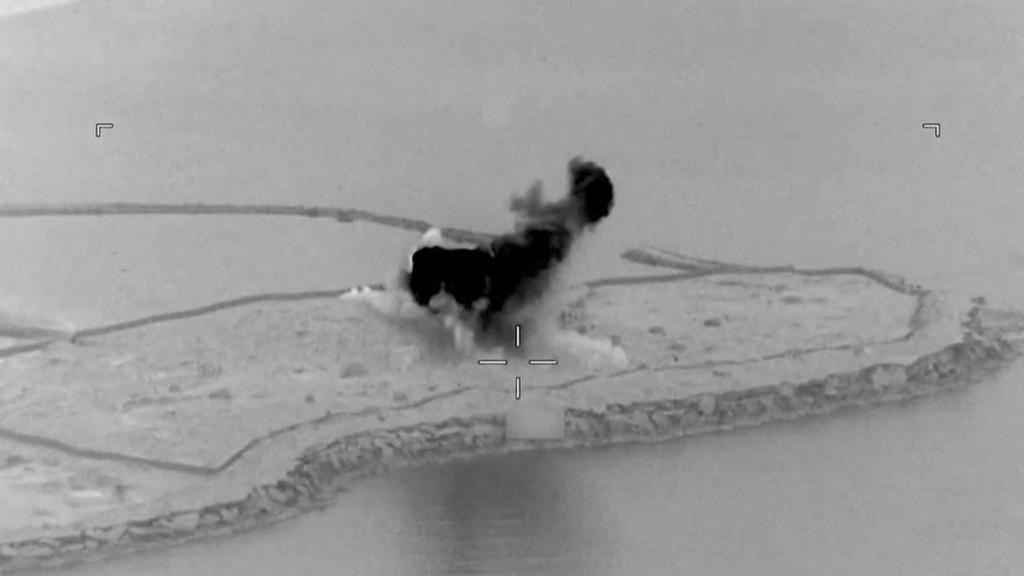
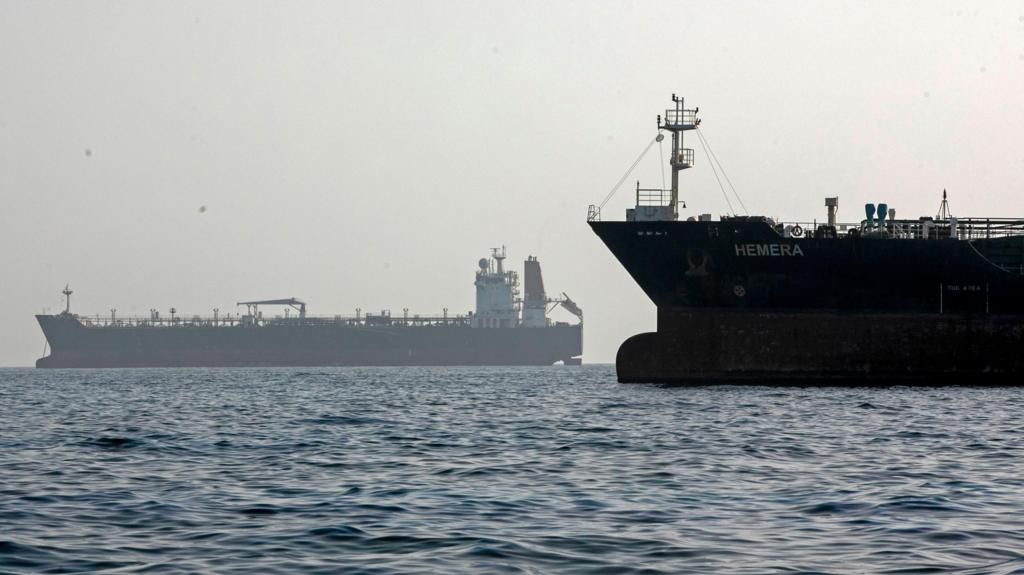
Oil prices surge following Trump's announcement of an Iranian ship seizure, highlighting the ongoing volatility in energy markets since US-Israel military actions against Iran in February. The incident underscores global dependence on Middle Eastern oil and the economic ripple effects of regional instability.

Iran's assertion of control over the Strait of Hormuz highlights the waterway's critical role in global energy security and the broader geopolitical tensions in the Middle East.

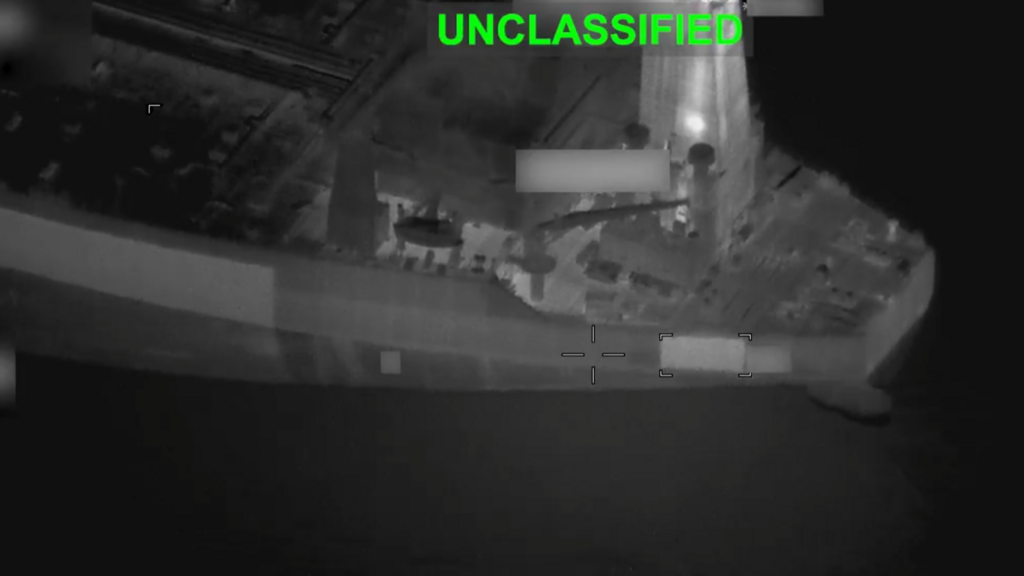
The US seizure of an Iranian cargo ship amid upcoming diplomatic talks highlights the complex interplay of coercion and negotiation in US-Iran relations, raising questions about regional stability and the future of maritime security.

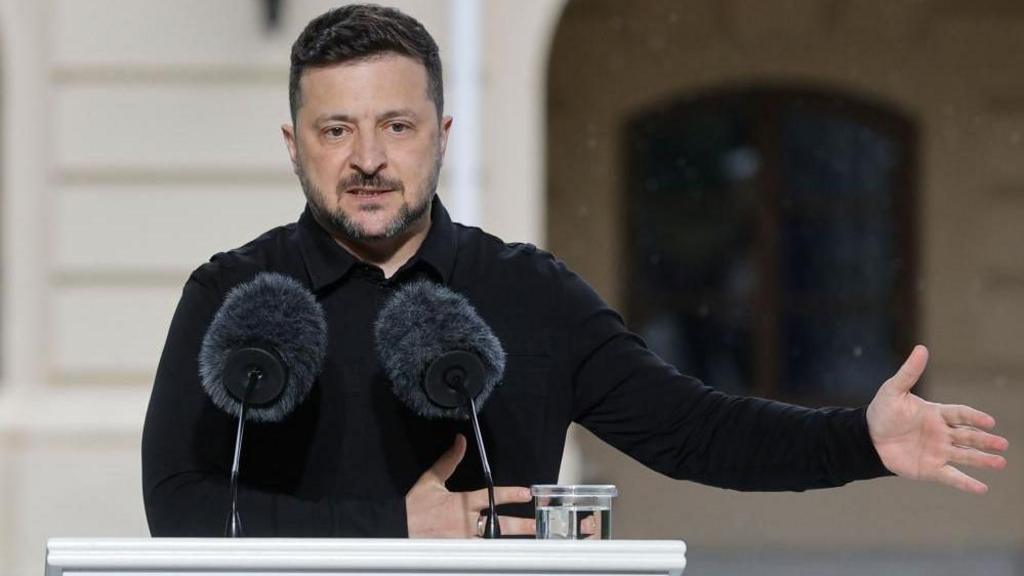
Ukrainian President Zelensky criticizes US decision to extend sanctions waiver for Russia, highlighting tensions between energy security needs and unified pressure on Moscow.

Australia's most decorated soldier faces war crime charges that threaten to expose systemic issues within the military and challenge national narratives about heroism and accountability.

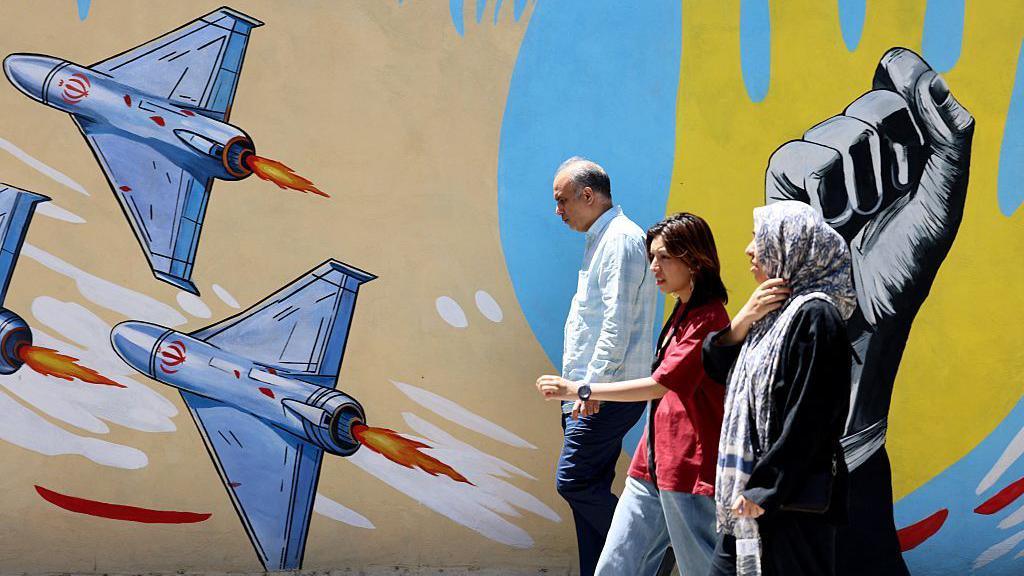
Iran's closure of the Strait of Hormuz represents a dangerous escalation in US-Iran tensions, threatening global oil supplies and regional stability. The move reflects Tehran's strategy of leveraging geographic advantage amid economic pressure.

Mexican President Sheinbaum denies diplomatic crisis with Spain over colonial history dispute, highlighting ongoing tensions between former colonizers and their colonies in shaping modern international relations.

Pope Francis clarifies his 'tyrants' remark was not aimed at Trump, highlighting the delicate balance religious leaders must strike in politically polarized times.

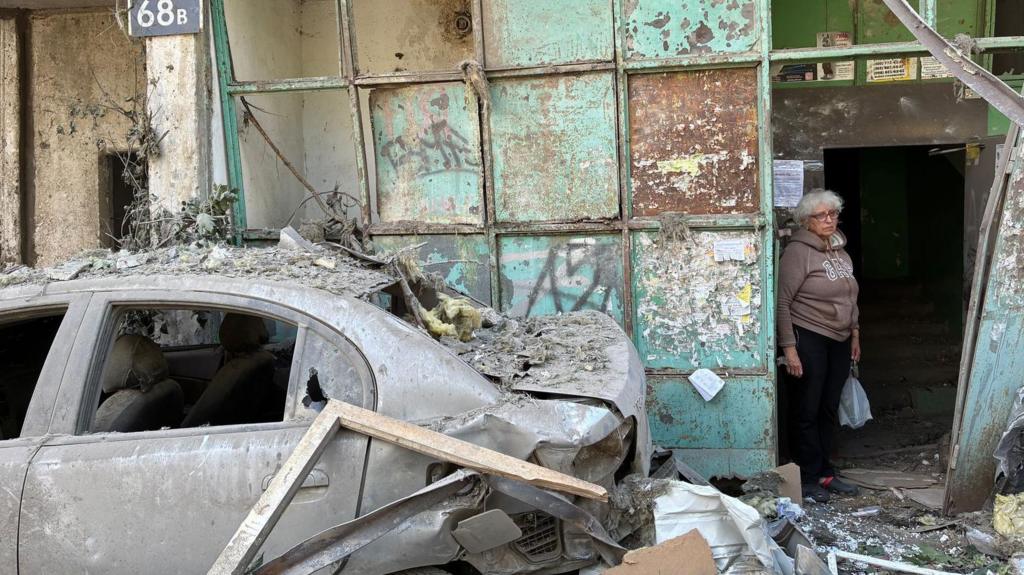
A deadly hostage crisis in Kyiv highlights Ukraine's ongoing security challenges amid war with Russia, raising questions about urban safety and the psychological toll on residents already living under constant threat.

The killing of a French peacekeeper in southern Lebanon exposes the precarious position of international forces caught between competing power centers. As regional proxy conflicts intensify, Lebanon's stability hangs by a thread.

The White House's meeting with Anthropic over the Mythos AI model signals a new era of government-AI company relations, as powerful technologies become too critical to ignore.

Security researchers exposed critical vulnerabilities in the EU's new age-verification app, compromising it in just two minutes. This breach raises fundamental questions about the security of the EU's broader digital identity infrastructure and the balance between convenience and protection.

Daniel Kinahan's arrest in Dubai marks a significant blow to transnational organized crime, highlighting increased international cooperation in tackling powerful criminal networks.
Pope Leo XIV's Mass in Cameroon highlights the growing importance of African Catholicism while unfolding against the nation's political tensions, offering insights into the faith's future trajectory.

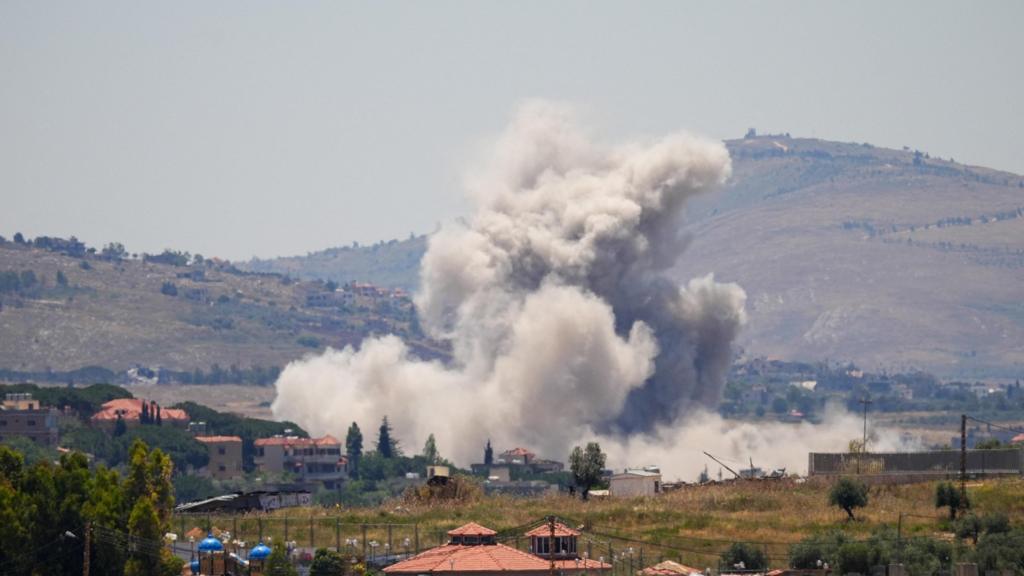
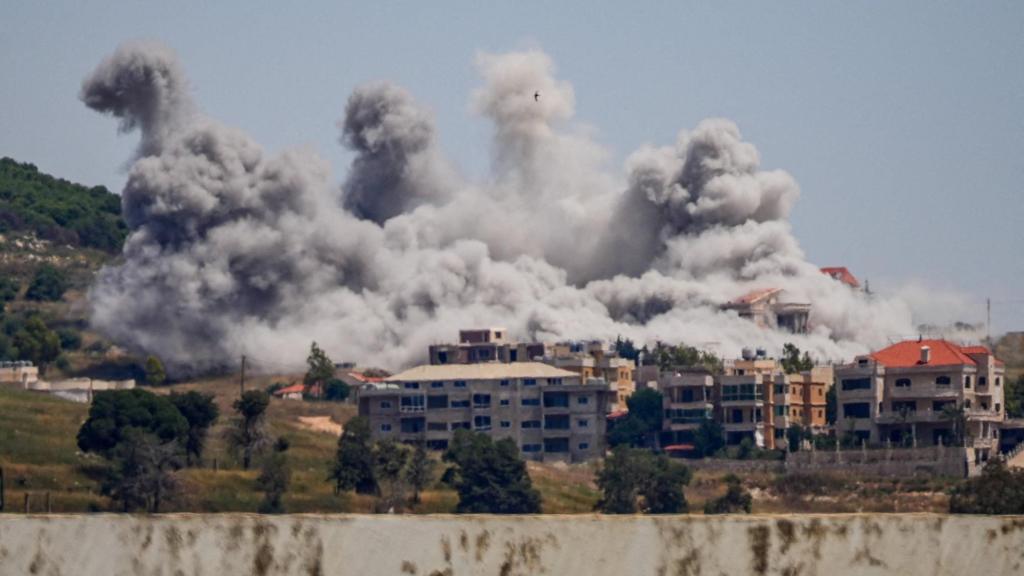
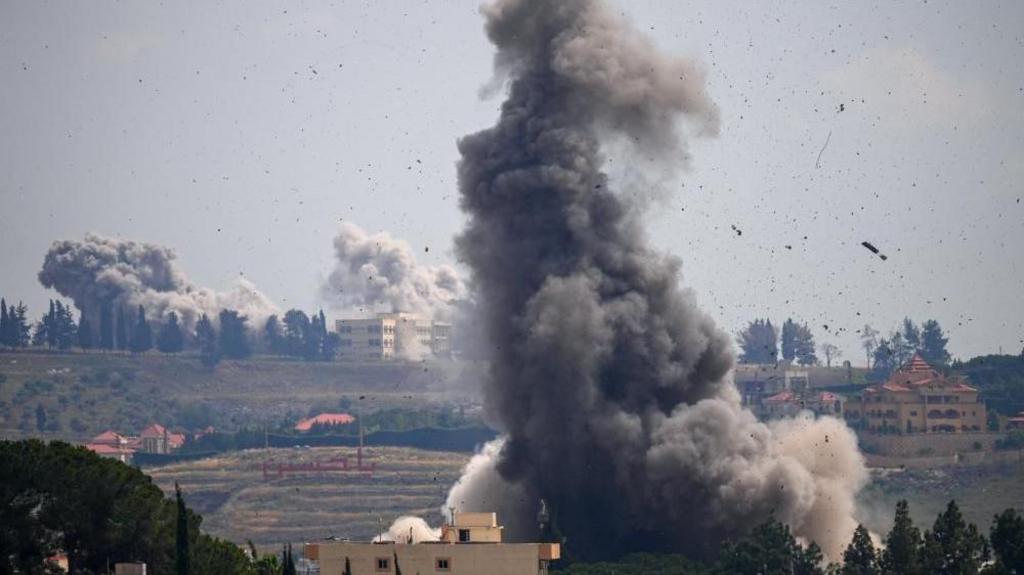
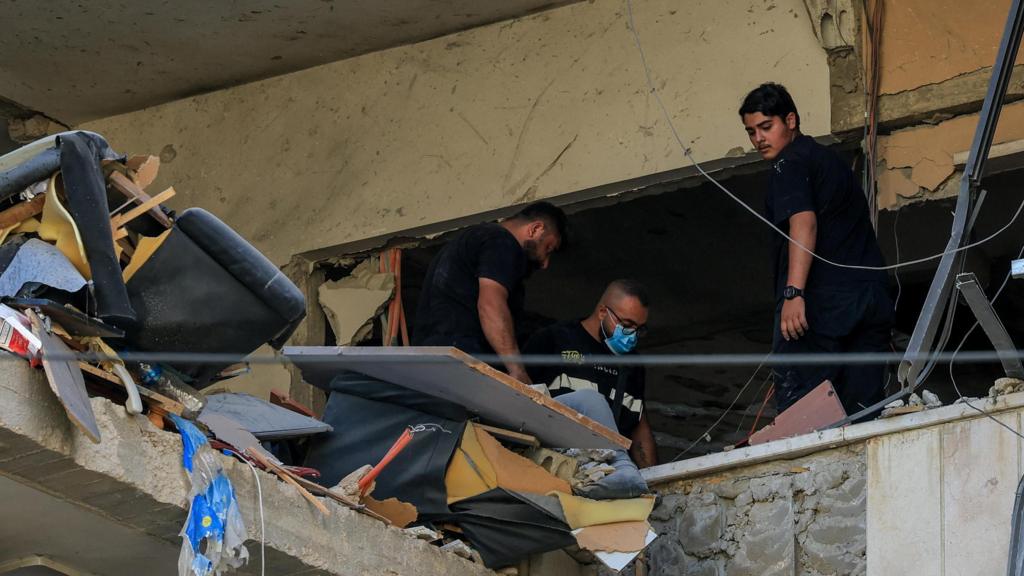
The ceasefire between Lebanon and Israel offers temporary relief but fails to address the deep-rooted issues fueling their long-standing conflict. While celebrations mark the halt in violence, the path to lasting peace remains uncertain.

After four decades, the extradition of Hicham Harb in the 1982 Paris restaurant attack offers belated hope for justice while highlighting the complex geopolitics of terrorism accountability.

Bellarmine Mugabe's guilty plea for pointing a gun in South Africa highlights the lingering influence of Zimbabwe's former ruling elite and the challenges of accountability in post-colonial Africa.

Tankers are disappearing from tracking systems in the Strait of Hormuz, raising concerns about sanctions evasion, market manipulation, and maritime security. Analysts are developing new methods to track these phantom vessels as the implications for global oil markets and safety grow.
Japan has discovered a massive rare earth deposit 6,000 meters under the Pacific, potentially breaking China's monopoly on these critical minerals. This deep-sea venture represents both a technological challenge and a geopolitical gambit.

Trump's surprise Lebanon ceasefire has caught Israel off guard, exposing tensions between U.S. diplomatic initiatives and Israeli security priorities while raising questions about the effectiveness of American mediation in regional conflicts.

A 10-day ceasefire between Lebanon and Israel has taken effect, supported by Hezbollah amid US-Iran negotiations. This temporary truce offers a brief respite in a long-standing conflict, but underlying issues remain unresolved.