Back to home
INTERNATIONAL2 June 2026
A Fragile Truce: Israel's Southern Strikes and the Limits of a US‑Brokered Ceasefire
Israel’s targeted strikes in southern Lebanon have temporarily eased hostilities under a U.S.-brokered truce, but the underlying Israel‑Hezbollah rivalry remains unresolved. The limited scope of the operation suggests a cautious approach, yet the durability of the pause is uncertain.
La
La Rédaction
The Vertex
5 min read
Source: www.bbc.com
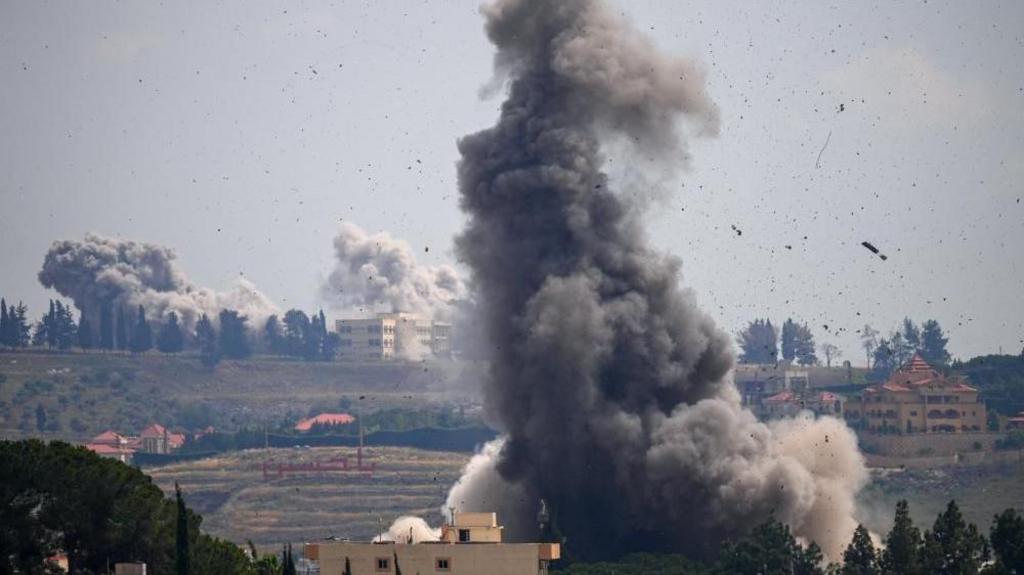
Israel’s recent airstrikes in southern Lebanon mark a cautious escalation in a conflict that has lingered since the 2023 Gaza war, yet a partial truce brokered by the United States appears to have tempered the tempo. The strikes, concentrated on Hezbollah‑held villages near the border, were met with a muted response from the group, suggesting a de‑facto pause rather than a full ceasefire.
Military analysts view the operation as an attempt to degrade Hezbollah’s rocket infrastructure while signaling resolve to Israel’s domestic audience. Simultaneously, the limited scale of the strikes and the absence of attacks on Beirut indicate a strategic restraint, likely designed to avoid a broader regional conflagration that could draw in Iran or trigger a wider Israeli ground incursion.
The arrangement reflects a broader diplomatic pattern: the United States, seeking to prevent a multi‑front war, has acted as mediator between a belligerent Israel and a Hezbollah faction already strained by internal divisions and economic collapse. Historical precedent shows that such partial truces rarely translate into durable peace, as underlying grievances over territory, sovereignty, and Iranian support persist.
Looking ahead, the durability of the truce will hinge on whether Israel can achieve its security objectives without provoking a retaliatory surge, and whether the United States can sustain pressure on both parties to honor the limited agreement. Diplomatic channels remain open, but the lack of a comprehensive framework leaves both sides vulnerable to miscalculation. If the current restraint holds, it may pave the way for renewed diplomatic initiatives; if it falters, the region could slip back into a volatile cycle of intermittent strikes and escalating tensions.