Back to home
INTERNATIONAL4 June 2026
Zelensky Calls for Direct Dialogue: A Pragmatic Path Out of the Ukraine War
Ukrainian President Volodymyr Zelensky has issued an open letter urging a face‑to‑face meeting with Vladimir Putin, arguing that only direct dialogue can produce a viable peace settlement. The proposal arrives as U.S. focus shifts to Iran, highlighting both the urgency and the fragility of any diplomatic breakthrough.
La
La Rédaction
The Vertex
5 min read
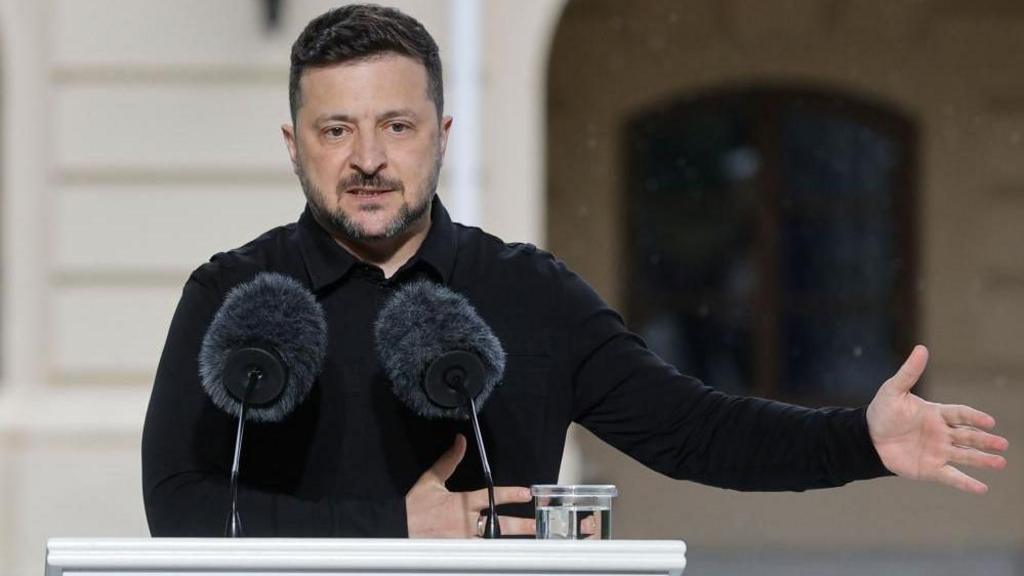
Source: www.bbc.com
In an unusually direct appeal, Ukrainian President Volodymyr Zelensky has issued an open letter to Russian leader Vladimir Putin, urging a face‑to‑face meeting as the only realistic route to halt the grinding conflict that has raged for more than two years.
The letter, published amid a diplomatic lull while the United States redirects its strategic attention toward Iran, underscores a shift from symbolic condemnation to pragmatic engagement. Zelensky argues that only direct dialogue can produce the security arrangements and territorial compromises necessary to end hostilities.
Politically, the proposal tests both leaders' domestic constituencies. For Zelensky, a willingness to negotiate may be framed as a bold peace initiative, strengthening his international standing, while risking criticism from nationalist factions at home. Putin, meanwhile, faces a dilemma: a direct encounter could expose him to pressure from hard‑liners, yet it offers a chance to portray himself as the decisive architect of a negotiated settlement.
Since the invasion in February 2022, Kyiv has pursued a mix of military resistance and diplomatic overtures, but the war’s entrenched frontlines and the Kremlin’s maximalist demands have stalled progress. The United States’ pivot to Iran, coupled with Europe’s fatigue, reduces the external pressure that previously compelled Moscow to compromise, making a bilateral dialogue both more urgent and more fragile.
Whether this overture will yield a credible peace framework or merely become another rhetorical episode remains uncertain. Success would hinge on mutually acceptable security guarantees, a realistic assessment of territorial realities, and a coordinated Western stance that does not dilute its leverage. If undertaken, the talks could reshape the conflict’s trajectory, but they also risk legitimizing a frozen stalemate if substantive concessions are absent.