Back to home
INTERNATIONAL3 June 2026
Strikes Amidst Stalemate: The Fragile Ceasefire Between Washington and Tehran
Fresh U.S. airstrikes on an Iranian oil tanker and alleged attacks on American air bases have reignited stalled ceasefire talks, highlighting the volatile interplay of military force and oil politics. The escalation underscores deep mistrust and the risk of a broader confrontation in the Gulf.
La
La Rédaction
The Vertex
5 min read
Source: www.bbc.com
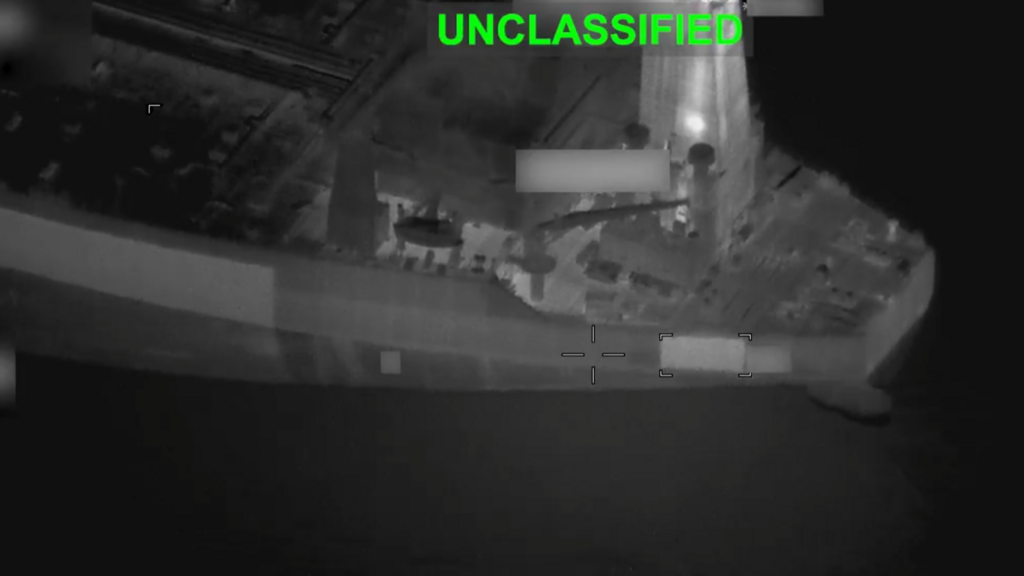
Fresh U.S. airstrikes targeted an Iranian oil tanker transiting the Strait of Hormuz and struck facilities allegedly linked to Tehran’s claim of attacks on American air bases, thrusting the already stalled ceasefire negotiations back into crisis. The swift escalation highlights how fragile diplomatic channels can disintegrate under the pressure of mutual recriminations.\n\nThese strikes serve two strategic aims: they signal Washington’s determination to deter further attacks on its personnel and to undermine Iran’s principal source of hard currency—oil—which finances its regional network of proxies. For Tehran, the retaliatory posture, whether genuine or symbolic, is intended to impose a tangible cost on the United States, thereby extracting concessions without abandoning its broader nuclear and geopolitical ambitions.\n\nTo understand the current flashpoint, one must trace the trajectory since the 2015 Joint Comprehensive Plan of Action, which temporarily restrained Iran’s nuclear program. The 2018 U.S. withdrawal and the re‑imposition of sanctions shattered the agreement’s momentum, prompting a cycle of escalating pressure and Iranian counter‑measures, including cyber operations and the seizure of foreign vessels. Each rupture has reinforced a narrative of mistrust that now permeates both official and public discourse.\n\nThe outlook remains precarious. While both capitals have indicated willingness to engage in indirect talks, the convergence of competing regional interests, the volatility of oil markets, and the entrenched rivalry make a sustainable de‑escalation unlikely in the short term. The next few weeks will reveal whether the recent strikes constitute a calibrated pressure tactic or a signal that the window for diplomatic resolution is closing. Any misstep could reignite a broader confrontation that would destabilise the Gulf and reverberate through global energy markets.