Back to home
INTERNATIONAL2 June 2026
The Brick and the Soul: Kyiv’s Quiet Neighborhood After a Russian Strike
Residents of Kyiv’s Podil district confront the aftermath of a Russian missile strike, where physical reconstruction meets deep psychological trauma. The attack reflects a broader strategy to undermine civilian morale, raising questions about resilience and future stability.
La
La Rédaction
The Vertex
5 min read
Source: www.bbc.com
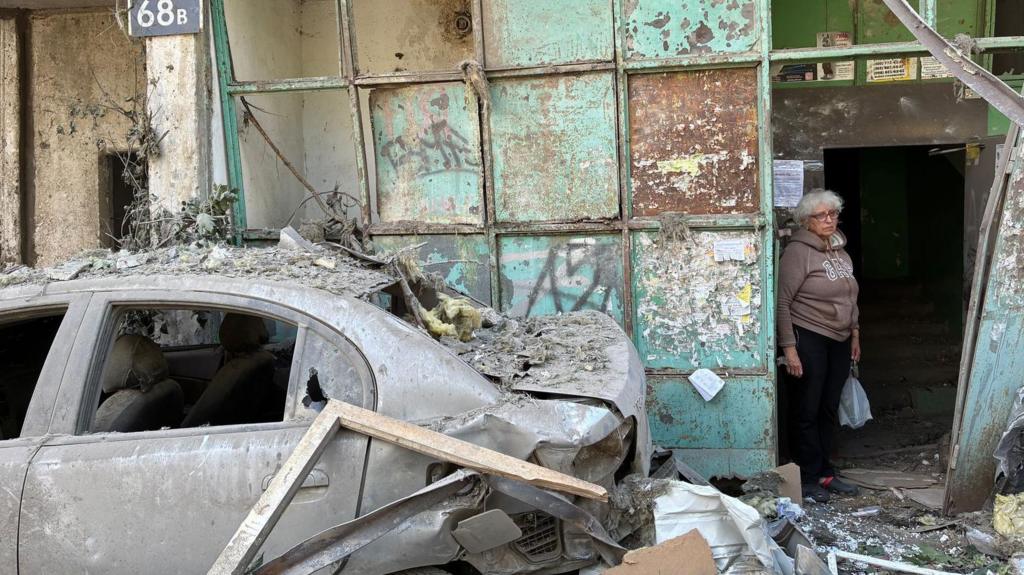
Morning light filtered through shattered windows as Kyiv’s once‑quiet Podil district emerged from the darkness of underground shelters, confronting a tableau of twisted concrete and charred façades that bore the unmistakable imprint of a Russian missile strike. The headline—'They'll fix the building, but not our souls'—captures the paradox of physical reconstruction versus the lingering wound of collective trauma.
Beyond the immediate destruction, the attack signals a strategic shift: Russian forces are increasingly targeting civilian infrastructure to erode morale and impede everyday life. Economically, the damage compounds existing pressures on a city already strained by war‑time logistics, with repair costs estimated in the millions and local businesses facing disrupted supply chains. Socially, the incident deepens psychological scars, as families confront loss of homes, familiar landmarks, and a sense of security that long‑standing neighbourhoods provide.
Placed in the wider context of the conflict, this strike follows a pattern of deliberate attacks on residential zones, from the early bombardment of Kharkiv to the recent assaults on Odesa’s outskirts. Each incident tests Ukraine’s resilience and underscores the importance of civilian solidarity, while also prompting renewed calls from the international community for stricter enforcement of humanitarian law.
Looking ahead, the path to recovery will hinge not only on state‑led rebuilding programs and foreign assistance but also on sustained communal healing. If Kyiv can restore its streets while nurturing the intangible bonds that give the neighbourhood its soul, the episode may become a testament to endurance; otherwise, repeated assaults risk fracturing the social fabric that underpins the capital’s long‑term stability.