Back to home
INTERNATIONAL5 June 2026
A Fragile Return: Astronauts Re‑Enter the ISS After a Critical Air Leak
A Russian repair attempt on the Zvezda module forced the crew to take shelter, highlighting the ongoing vulnerability of the ISS. The episode underscores both the technical challenges of maintaining an aging orbital platform and the resilience of international cooperation.
La
La Rédaction
The Vertex
5 min read
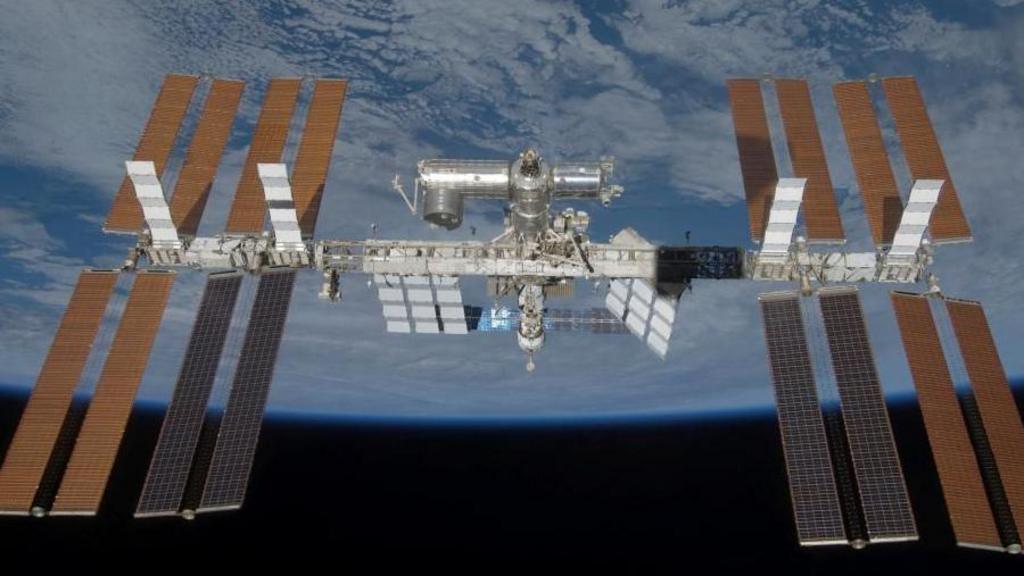
Source: www.bbc.com
On Monday, the International Space Station resumed normal operations after a tense episode in which Russian cosmonauts attempted to seal a breach in the Zvezda service module’s tunnel, prompting the five‑person crew to retreat to the Russian segment as a precaution. The rapid safe‑haven maneuver, completed without incident, underscores both the fragility of orbital infrastructure and the resilience of international crews.
The episode exposed strain on Russia’s aging space hardware, a legacy of limited budgets and delayed modernization. Engineers used a makeshift patch, highlighting the ad‑hoc nature of repairs on a vehicle far beyond its original design life. Technically, the leak revealed challenges in detecting micro‑meteoroid impacts in a pressurized tunnel, where even a minute pressure differential triggers alarms. Economically, each unscheduled repair delays experiments and burdens mission‑control, raising operational costs for partners.
Contextually, the incident echoes earlier anomalies such as the 2019 coolant leak in Zvezda and the 2021 air‑filter malfunction that briefly forced a crew quarantine. These events have reinforced the ISS’s role as a diplomatic conduit, showing that technical setbacks are met with joint problem‑solving rather than geopolitical friction. The multinational crew model, enshrined in the 1998 Intergovernmental Agreement, continues to serve as a barometer for broader cooperation in space.
Looking forward, the episode may spur debates on redundancy and independent safety assets. Proposals for autonomous pressure‑seal modules or dedicated lifeboats are gaining traction as commercial firms develop next‑generation habitats that could replace or supplement the ISS. Ultimately, the incident shows that the station’s longevity depends on engineering fixes and on sustained political commitment and collaborative oversight as it nears its planned deorbit in the late 2030s.