Back to home
INTERNATIONAL3 June 2026
Fraying the Ceasefire: Nine Lives Lost in the Israel‑Lebanon Border Clash
Israeli airstrikes in southern Lebanon killed nine civilians and triggered Hezbollah rockets into northern Israel, breaking a tenuous ceasefire. The clash highlights deep political divisions and humanitarian concerns, while the broader regional context underscores the fragility of the post‑2022 de‑escalation.
La
La Rédaction
The Vertex
5 min read
Source: www.bbc.com
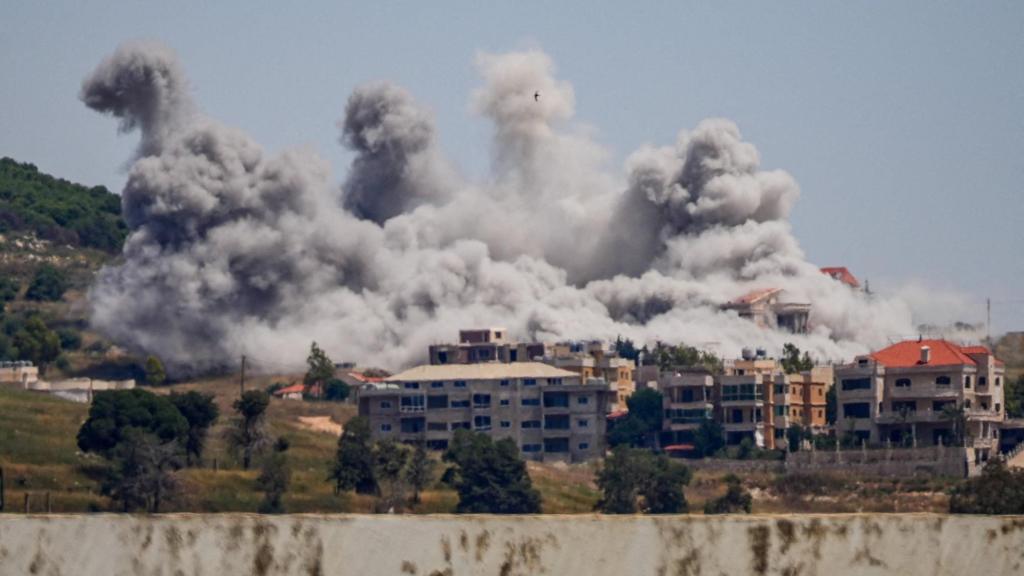
On a quiet Monday, Israeli airstrikes hit targets in southern Lebanon, killing nine civilians and igniting a fresh volley of rockets from Hezbollah that landed in northern Israel. The attacks shatter a tenuous ceasefire brokered just days earlier, underscoring how fragile the de‑escalation remains along a border that has long been a flashpoint.
Politically, the incident deepens the rift between Israel’s security cabinet, eager to demonstrate deterrence, and Lebanon’s fragmented authorities, whose capacity to police the border is limited. Hezbollah’s retaliatory rockets signal both a warning to Israel and a message to its own base that it will not tolerate incursions, raising the stakes for any future negotiations. The strikes also exacerbate humanitarian concerns, as civilian casualties and property damage intensify displacement pressures on already vulnerable communities.
Contextually, the clash echoes a series of confrontations since the 2022 ceasefire that halted the deadliest phase of the Gaza‑linked spillover, while UNIFIL’s mandate remains constrained by the absence of a robust peacekeeping framework. The broader regional tableau includes Iran’s proxy network, the shifting alignments of Gulf states, and domestic pressures on Israeli leadership amid coalition fatigue and upcoming elections. Economically, repeated border skirmishes hinder reconstruction efforts in southern Lebanon and strain cross‑border trade, which remains a vital lifeline for both economies.
Looking ahead, the incident may trigger a cycle of reciprocal strikes unless diplomatic channels reopen, perhaps under the auspices of the United Nations or a regional mediator. The durability of the ceasefire will hinge on whether both sides can translate short‑term military posturing into a sustainable political settlement that prevents further civilian casualties and averts a broaderregional escalation.