Back to home
INTERNATIONAL4 June 2026
Hezbollah’s Defiant Stance Undermines a Fragile Ceasefire
The United States announced a ceasefire that Hezbollah promptly rejected, revealing internal divisions. The episode underscores the limits of U.S. mediation in a region where Iran’s influence and Lebanon’s weak statehood complicate lasting peace.
La
La Rédaction
The Vertex
5 min read
Source: www.bbc.com
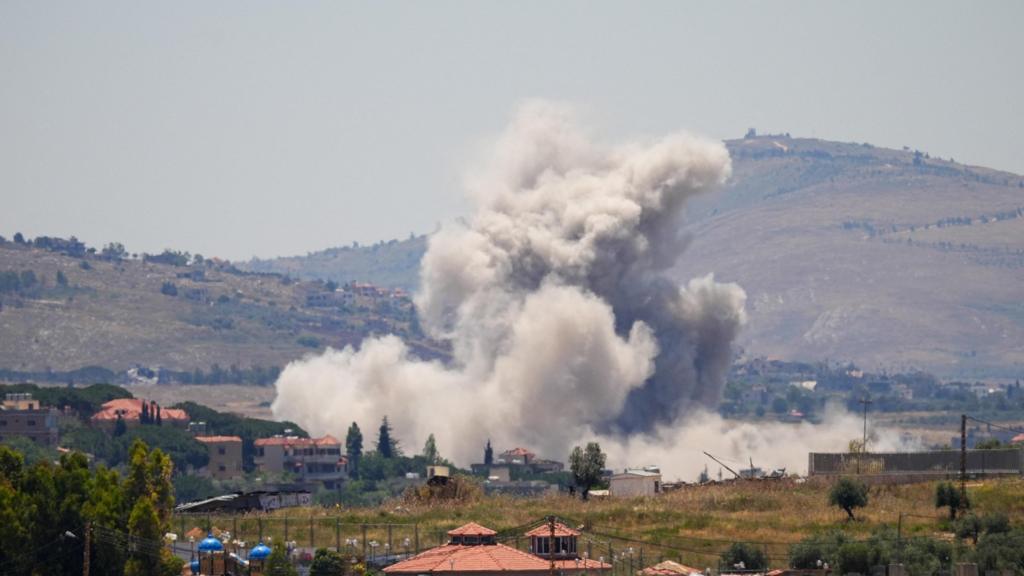
On Wednesday night, the United States formally announced a new ceasefire agreement between Israel and Lebanon, a fragile pause brokered after intense negotiations that had threatened to reignite a volatile border conflict. The announcement came amid a backdrop of heightened tensions, with Hezbollah’s public rejection of the deal underscoring the fragility of any temporary de‑escalation.
Hezbollah’s refusal is not merely a rhetorical stance; it reflects a calculated political calculus. Within the group, hardliners view any concession as a betrayal of its ideological mission to resist Israeli occupation, while moderates worry about the humanitarian toll on Lebanese civilians caught in crossfire. The rejection therefore signals internal dissent and could embolden factions that advocate a more aggressive posture, complicating any future diplomatic overtures.
The ceasefire’s collapse fits a longer pattern in the region, where previous agreements have unraveled under the weight of external patronage and internal power struggles. The United States, traditionally a key mediator, now faces a diminished capacity to enforce compliance, especially as Iran deepens its influence through Hezbollah’s alignment with Tehran’s strategic objectives. Meanwhile, Lebanon’s fragile state apparatus remains unable to impose its will on armed non‑state actors, rendering any durable peace contingent on broader regional recalibrations.
Looking ahead, the standoff may precipitate a return to sporadic violence, but it also opens a narrow window for renewed diplomatic engagement, provided that external actors can offer credible incentives and guarantee enforcement. The durability of the ceasefire will ultimately depend on whether the parties can reconcile security imperatives with the political realities of a divided Lebanese society and a region weary of perpetual conflict.