Back to home
SOCIETY31 March 2026
Wolf Attack in Hamburg: A Wake-Up Call for Human-Wildlife Coexistence
A rare wolf attack in Hamburg highlights the challenges of balancing wildlife conservation with human safety as urban areas expand into natural habitats.
La
La Rédaction
The Vertex
5 min read
Source: www.bbc.com
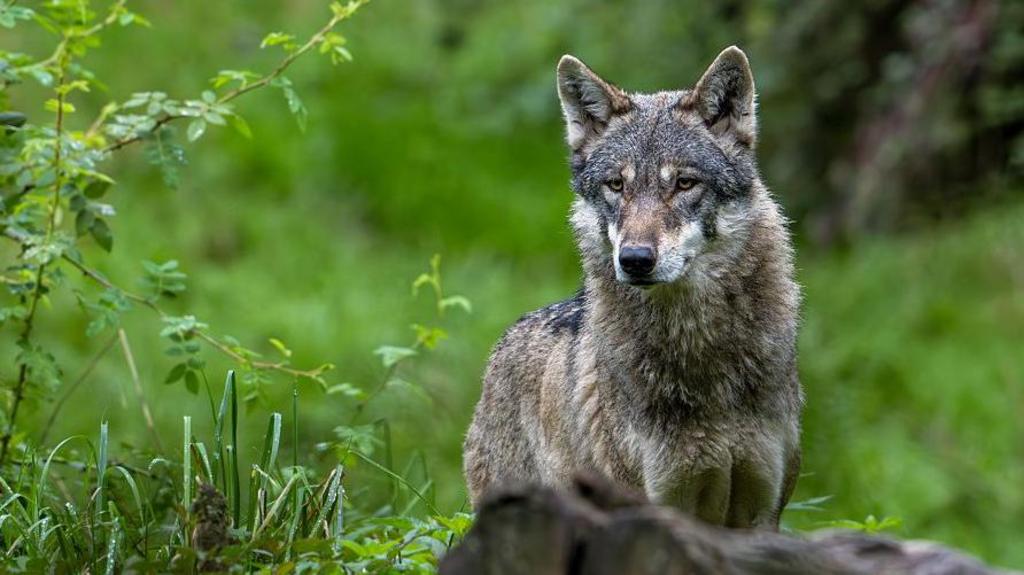
The recent wolf attack on a woman in Hamburg's bustling shopping street has sent shockwaves through Germany, marking what is believed to be the first such incident since wolves began reestablishing themselves in the country decades ago. This rare event underscores the complex challenges of balancing wildlife conservation with human safety in an increasingly urbanized world.
The return of wolves to Germany is a conservation success story, with populations growing steadily since their reintroduction in the 1990s. However, this incident highlights the need for proactive measures to manage human-wildlife interactions. Experts emphasize that while wolf attacks on humans are extremely rare, they are not impossible, especially as urban areas expand into traditional wildlife habitats.
This attack raises critical questions about how societies can adapt to the presence of large predators. Should cities implement stricter wildlife management policies? How can communities coexist with animals that were once driven to near extinction? These are not just German concerns but global ones, as urbanization continues to encroach on natural habitats worldwide.
Looking ahead, this incident could serve as a catalyst for broader discussions on wildlife conservation and urban planning. It may prompt governments to invest in better education, monitoring systems, and infrastructure to minimize conflicts. Ultimately, the Hamburg attack is a reminder that coexistence with nature requires vigilance, adaptation, and a commitment to finding sustainable solutions.
As Germany grapples with this unprecedented event, the world watches closely, recognizing that the challenges of human-wildlife coexistence are only set to grow in the coming decades.