Back to home
INTERNATIONAL10 May 2026
When Grief Becomes a Weapon: Settler Violence in the West Bank
A grieving son is forced to exhume his father's coffin by armed settlers in the West Bank, an act condemned by the UN as emblematic dehumanisation. The incident highlights the impunity of settler groups and raises concerns about the future of the two‑state solution.
La
La Rédaction
The Vertex
5 min read
Source: www.bbc.com
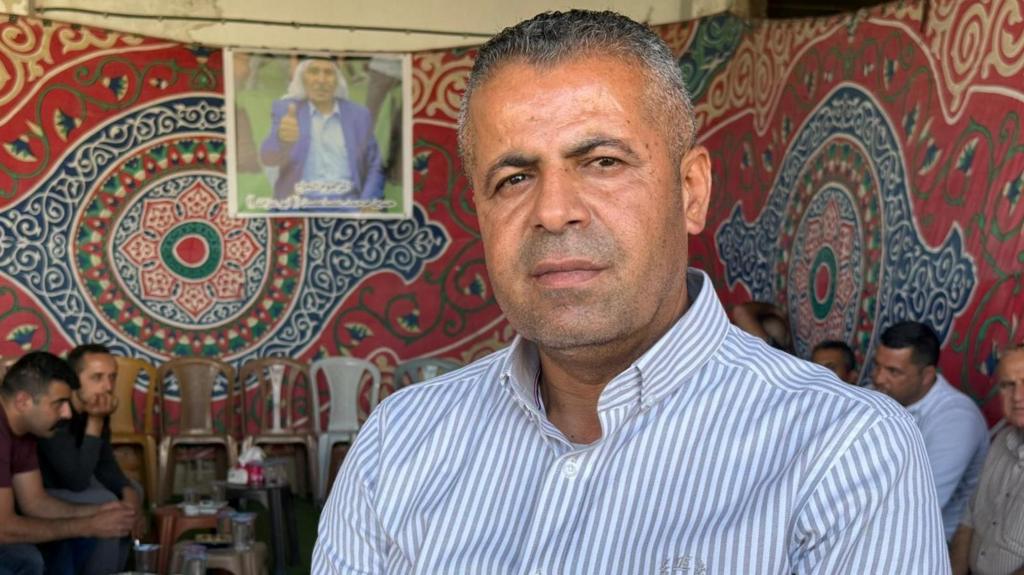
On a damp November morning, armed settlers interrupted a modest West Bank grave, ordering a grieving son to exhume his father’s coffin; his trembling, soil‑stained hands revealed a trauma that surpasses the loss of a parent, violating cultural and religious rites.
The act epitomises systematic dehumanisation documented by the UN, treating Palestinian bodies as objects of contestation rather than subjects of mourning. Forcing a son to desecrate his father's remains reinforces a hierarchy that denies basic dignity, while the lack of immediate legal consequences highlights the impunity enjoyed by settler groups under the occupying power. Such actions echo colonial tactics, using the desecration of sacred sites to shatter indigenous morale. The absence of a credible investigative mechanism, such as the ICC, leaves a legal vacuum that further emboldens perpetrators.
Since the 1993 Oslo Accords, settlement expansion has accelerated, with Israel approving thousands of new housing units in the occupied territories. The UN Human Rights Office has repeatedly condemned these violations of the Fourth Geneva Convention, yet settlement activity persists, revealing a systemic disregard for the legal protections meant to safeguard civilians. A muted international response, limited to statements, emboldens settlers to treat the area as a lawless frontier where personal vengeance supplants diplomacy. The desecration of graves not only inflicts profound psychological trauma on families but also fuels narratives of victimhood that can radicalize communities.
The incident marks a dangerous escalation: if grave desecration proceeds unchecked, future clashes may grow harsher, undermining hopes for a two‑state solution. Long‑term stability hinges on accountability, domestic and international, that can restore the sanctity of life and death for all peoples.