Back to home
INTERNATIONAL30 June 2026
The Lingering Cracks: Aftershocks and the Erosion of Resilience in Venezuela
Twin earthquakes in Venezuela have triggered powerful aftershocks, leaving residents to dig through rubble with basic tools while the nation’s ongoing crisis hampers coordinated rescue efforts.
La
La Rédaction
The Vertex
5 min read
Source: www.bbc.co.uk
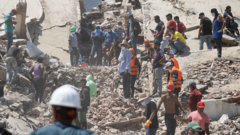
In the wake of twin earthquakes that rattled Venezuela’s northeastern region on June 30, 2026, the aftershocks have not only shattered buildings but also frayed the nerves of a population already strained by years of scarcity. In the devastated towns of Cumaná and Sucre, residents have taken matters into their own hands, wielding crowbars, pickaxes and even bare hands to dig through rubble in search of survivors.
The Venezuelan government’s response has been fragmented; local authorities lack the logistical capacity to coordinate rescue efforts, while the national administration, preoccupied with hyperinflation and political infighting, has struggled to mobilize resources. International NGOs have begun to arrive, but access remains uneven, hampered by road damage and bureaucratic impediments.
Beyond the immediate physical danger, the psychological toll is profound. The constant tremor of aftershocks keeps families sleepless, exacerbating anxiety and trauma. In a country where basic services such as electricity and clean water are already intermittent, the loss of communal safety nets intensifies feelings of abandonment.
These events echo a broader pattern across Latin America, where natural disasters intersect with entrenched economic fragility. The 2026 quakes come amid a regional surge in climate‑related emergencies, and they underscore how limited state capacity can transform a humanitarian crisis into a protracted survival ordeal.
Looking ahead, the path to recovery will depend on coordinated international assistance, transparent governance, and investments in resilient infrastructure. Moreover, the scarcity of medical supplies further compounds the crisis, limiting the ability to treat injuries sustained during rescue attempts. Without such measures, the current aftershocks may become a symptom of a deeper, systemic vulnerability that could undermine Venezuela’s already precarious stability.