Back to home
INTERNATIONAL11 April 2026
The Vance-Ghalibaf Talks: Bridging the Gulf of Mistrust
The proposed Vance-Ghalibaf talks mark a historic opportunity to reset US-Iran relations, but deep-seated distrust and economic grievances pose significant challenges.
La
La Rédaction
The Vertex
5 min read
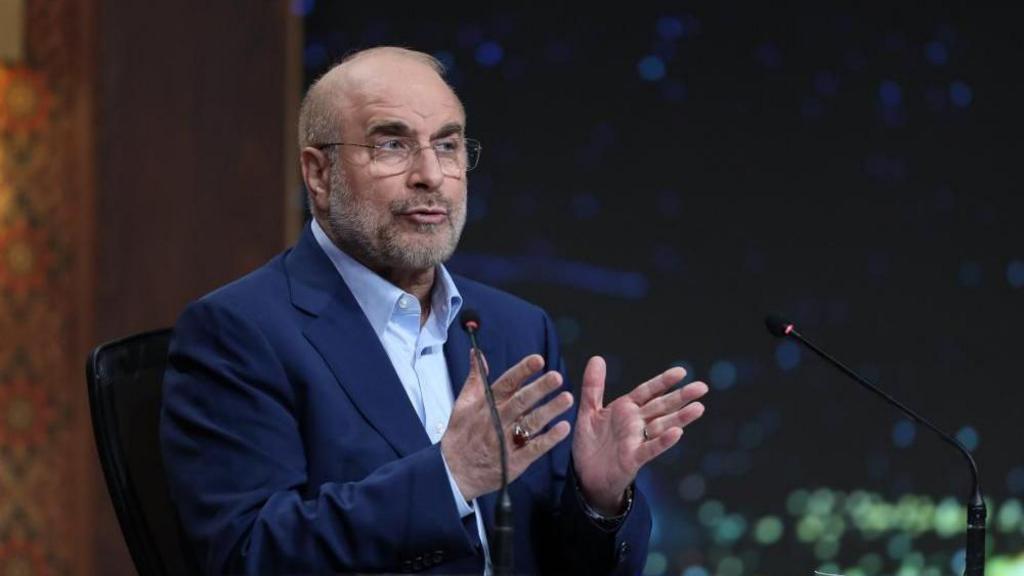
Source: www.bbc.com
In a historic development, the proposed face-to-face talks between US Vice President JD Vance and Iranian Parliament Speaker Mohammad Bagher Ghalibaf mark the highest-level engagement between the two nations since the 1979 Islamic Revolution. This diplomatic overture comes at a critical juncture, with tensions over Iran's nuclear program, regional influence, and economic sanctions reaching a boiling point.
The significance of these talks cannot be overstated. For decades, the US and Iran have been locked in a cycle of hostility, punctuated by incidents such as the 1979 hostage crisis, the 1988 downing of an Iranian passenger plane, and more recent confrontations in the Strait of Hormuz. The Vance-Ghalibaf dialogue represents a potential thaw in relations, but it also faces immense challenges.
Deep-seated distrust remains the primary obstacle. Iranian leaders view the US as an imperial power bent on regime change, while American policymakers see Iran as a destabilizing force in the Middle East. Bridging this divide will require more than just diplomatic niceties; it will demand a fundamental shift in how both sides perceive each other's intentions.
Economic sanctions have further complicated matters. While the US aims to pressure Iran into compliance with international norms, the sanctions have also crippled Iran's economy, fueling domestic unrest and strengthening hardliners who oppose engagement with the West. Any meaningful progress will likely require a willingness to address these economic grievances.
Looking ahead, the success of the Vance-Ghalibaf talks could set the stage for broader negotiations on issues such as Iran's nuclear program, its support for regional proxies, and its role in global energy markets. However, the path forward is fraught with risks. A failure to reach even basic agreements could further entrench mistrust and escalate tensions.
Ultimately, the talks represent a fragile opportunity to reset US-Iran relations. Whether they succeed or fail, they will undoubtedly shape the geopolitical landscape of the Middle East for years to come.