Back to home
INTERNATIONAL2 May 2026
Sanctions as Diplomacy: The U.S. Leverages Shipping Penalties Against Iran
President Trump warned that any shipper paying Iran’s peace proposal will face sanctions, tightening the financial squeeze on maritime firms. The move reflects a broader U.S. strategy to pressure Tehran while risking global trade disruptions.
La
La Rédaction
The Vertex
5 min read
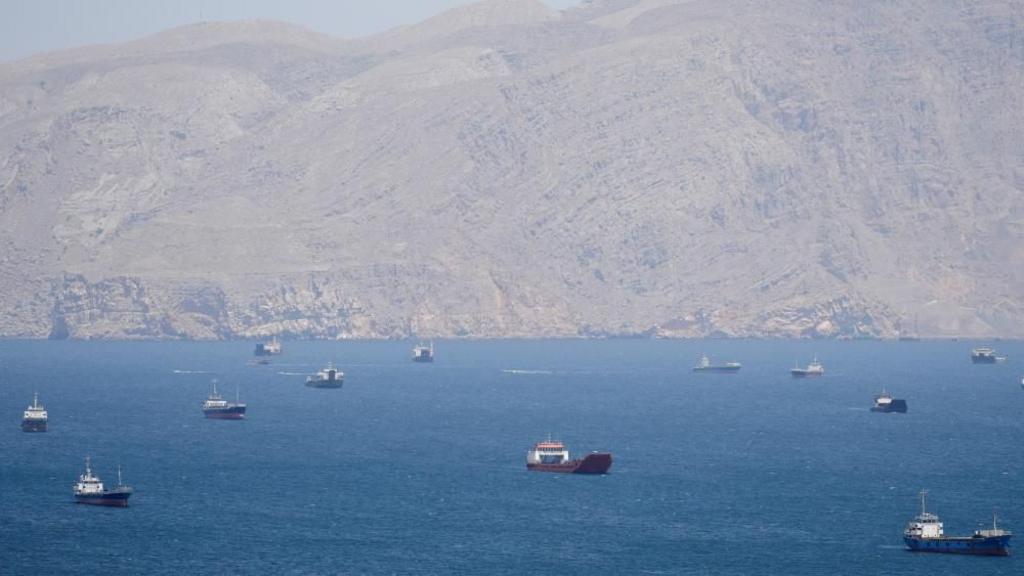
Source: www.bbc.com
In a stark reminder of Washington’s “maximum pressure” strategy, President Donald Trump warned that any shipping company that processes payments for Iran’s recent peace overture will face sanctions, underscoring the administration’s reluctance to embrace Tehran’s overtures. The statement follows Trump’s public dismissal of Iran’s latest overture, reflecting a broader scepticism within his administration toward any diplomatic thaw.
The warning targets the maritime supply chain, a critical conduit for Iran’s oil exports and ancillary trade. By threatening secondary sanctions, the U.S. seeks to compel compliance without directly confronting Tehran, exploiting the financial vulnerability of foreign operators that rely on dollar‑cleared transactions. Moreover, the threat leverages the extraterritorial reach of U.S. financial regulations, extending beyond American ports to any vessel that touches a sanctioned dollar clearinghouse. This approach intensifies the risk premium for insurers and could trigger a cascade of contract renegotiations, affecting freight rates and commodity availability worldwide.
This episode fits within a broader pattern since the 2018 withdrawal from the Joint Comprehensive Plan of Action, when the U.S. reinstated sweeping sanctions that have strained global shipping networks. European and Asian flag carriers have previously navigated similar restrictions, yet the current rhetoric signals a more aggressive stance, potentially destabilising the already fragile equilibrium that keeps the Strait of Hormuz open for commerce. The potential spill‑over effects include heightened insurance premiums and possible secondary sanctions on European banks facilitating the transactions, echoing past episodes such as the 2012 EU‑U.S. clash over Iran’s oil benchmark.
If the threat materialises, it could deter Iranian oil revenues, pressuring Tehran to reconsider its diplomatic overture, but it also risks alienating key trade partners and prompting retaliatory measures that could broaden sanctions. The coming weeks will reveal whether this coercive lever translates into genuine diplomatic progress or merely deepens the economic isolation of Iran.