Back to home
INTERNATIONAL28 May 2026
Escalation in the Strait: US Strikes Target Iran’s Bandar Abbas Hub
The United States struck an Iranian military site near Bandar Abbas and intercepted four attack drones, signaling a shift from diplomatic pressure to direct kinetic action in a strategically vital maritime region.
La
La Rédaction
The Vertex
5 min read
Source: www.bbc.com
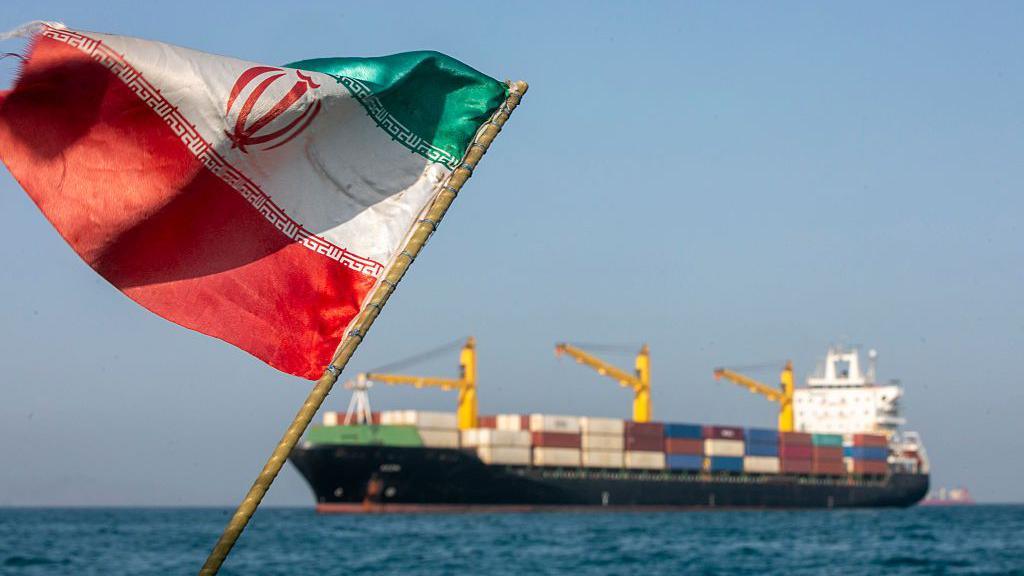
Washington’s latest military gesture marks a sharp escalation in the US‑Iran relationship. On Tuesday, US forces announced they had struck an Iranian military installation near Bandar Abbas, a key hub on the Persian Gulf, and simultaneously intercepted four attack drones launched from the site. The operation, carried out by naval aviation assets, signals a shift from diplomatic pressure to kinetic action in a region where maritime chokepoints dominate strategic calculations.
The target, believed to be a logistics or missile‑development facility, sits within sight of commercial shipping lanes that handle a large share of global oil traffic. By neutralising the drones, the United States demonstrated both the reach of its air‑defence capabilities and a willingness to impose costs directly on Iranian strategic assets. Politically, the strike serves as a warning that any attempt to disrupt shipping or to employ proxy forces may invite a decisive response. Economically, it reinforces the narrative that the Strait of Hormuz remains a contested arena, potentially affecting insurance premiums and freight rates.
To grasp the incident’s weight, place it in the longer trajectory of US‑Iran tension since the 2018 withdrawal from the nuclear deal. Washington has alternated between maximum pressure—sanctions and secondary embargoes—and periodic kinetic strikes targeting Iranian drone networks and missile sites. The Bandar Abbas facility, previously identified by intelligence as a node for regional proxy coordination, reflects Tehran’s effort to embed capabilities close to critical maritime infrastructure.
Looking ahead, the strike could either harden the stalemate, prompting Iran to accelerate its asymmetric capabilities, or it may open a narrow diplomatic window if both sides perceive a mutual interest in avoiding a broader maritime clash. The coming weeks will likely see intensified diplomatic messaging, UN inspections, and a reassessment of security postures by regional allies, determining whether this episode becomes a flashpoint or a calibrated signal of deterrence.