Back to home
INTERNATIONAL3 March 2026
The Weight of Accusations: US Sanctions and the Shifting Sands of the Rwandan-Congolese Conflict
US sanctions against Rwandan military over alleged DRC support escalate regional tensions. The move highlights deeper geopolitical issues and the complex history of conflict in the Great Lakes region.
La
La Rédaction
The Vertex
5 min read
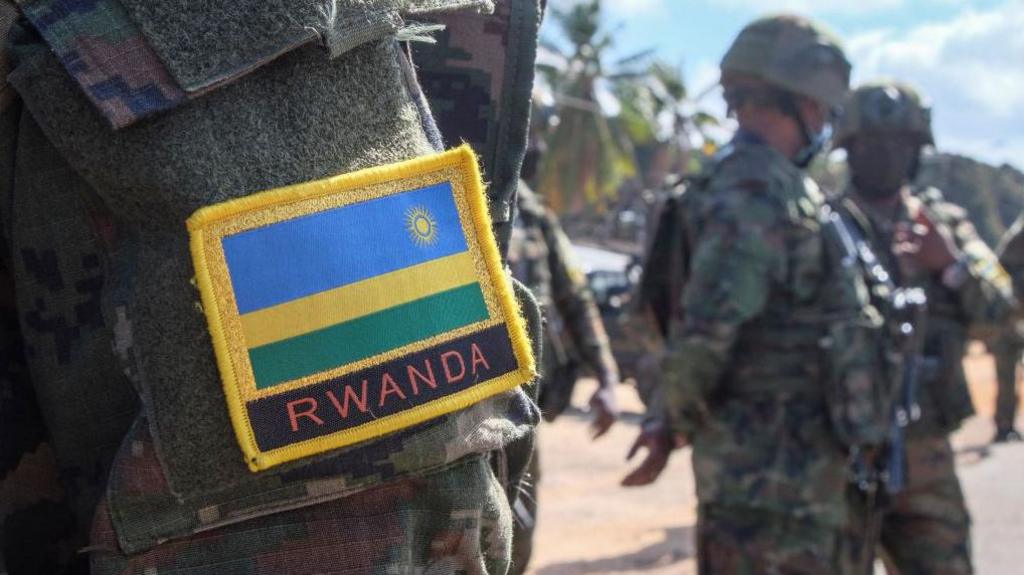
Source: www.bbc.com
The recent US sanctions targeting Rwandan military entities and high-ranking commanders represent more than just a diplomatic slap on the wrist; they signify a potential paradigm shift in the international community's approach to the protracted conflict in the Democratic Republic of Congo (DRC). These sanctions, ostensibly imposed in response to Rwanda's alleged support for the M23 rebel group, open a new chapter in a complex, decades-old saga marked by regional power struggles, ethnic tensions, and resource exploitation.
The historical context is crucial. The Rwandan genocide of 1994 cast a long shadow, influencing Rwanda's subsequent interventions in the DRC. Rwanda, citing security concerns tied to the presence of Hutu militias implicated in the genocide, has repeatedly crossed the border, often in pursuit of these groups. However, these interventions have also been linked to Rwanda's geopolitical ambitions and its desire to exploit the DRC's vast mineral wealth. The current M23 rebellion, largely composed of Congolese Tutsis, is seen by many as a proxy war, with Rwanda providing critical support in terms of training, arms, and logistics. Rwanda vehemently denies these accusations, portraying itself as a force for stability in a volatile region.
The US sanctions have several implications. First, they directly impact Rwanda's military capabilities. Restricted access to US military equipment, training programs, and financial resources could weaken Rwanda's armed forces, potentially altering the balance of power in the region. Second, the sanctions send a strong message to other countries that may be supporting armed groups in the DRC, potentially deterring further involvement. However, the sanctions also carry risks. An isolated and weakened Rwanda could become more unpredictable, potentially escalating the conflict in the DRC. Furthermore, the sanctions could backfire if they are perceived as being unfairly imposed, leading to increased anti-Western sentiment in Rwanda and the region.
The economic impact on Rwanda could be significant as well. While the initial sanctions target military entities, broader economic sanctions could follow if the situation does not improve. Rwanda, despite its impressive economic growth in recent years, remains heavily reliant on foreign aid and investment. Disruptions to these flows could have serious consequences for the country's development. Moreover, the sanctions highlight a broader geopolitical dynamic: the growing competition between the US and other global powers, particularly China, for influence in Africa. Rwanda, like many African nations, is increasingly caught between these competing interests.
Looking ahead, the situation remains precarious. The US sanctions are unlikely to resolve the underlying causes of the conflict in the DRC. A comprehensive solution requires addressing the root causes of instability, including ethnic tensions, weak governance, and the exploitation of natural resources. It also requires a concerted effort by regional and international actors to promote dialogue and reconciliation. The future stability of the Great Lakes region hinges on the ability of all parties to prioritize peace and cooperation over narrow self-interests. The US sanctions may be a necessary step, but they are only one piece of a much larger and more complex puzzle. The long-term success of any peace initiative hinges on addressing the underlying grievances and fostering a sense of shared security and prosperity among all the communities in the region. These are problems that require time and diplomacy, not just sanctions and pressure.