Back to home
INTERNATIONAL13 March 2026
US Refuelling Plane Crash in Iraq: A Tragic Reminder of Enduring Middle East Operations
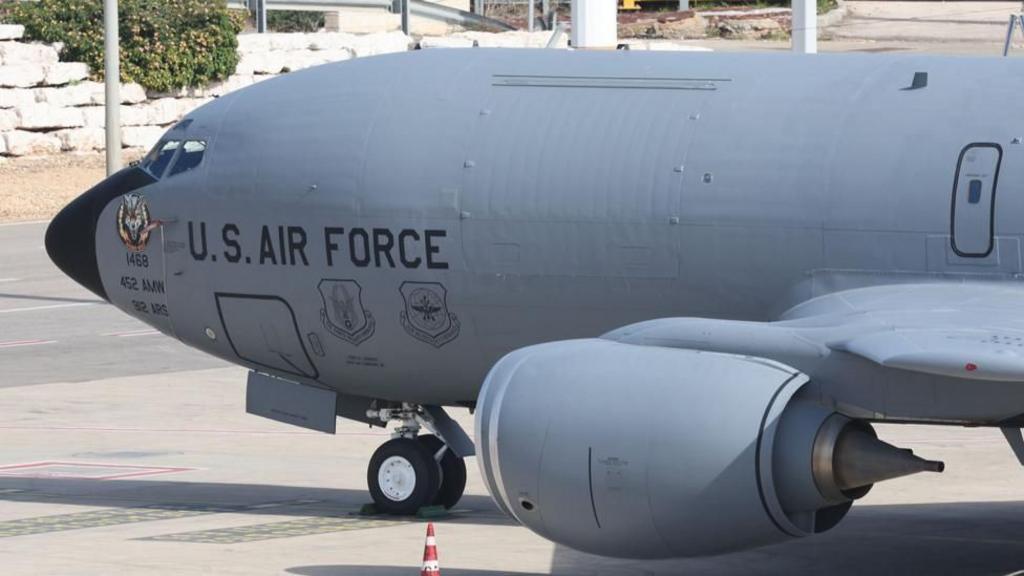
A US refuelling plane crash in Iraq killed six crew members during a combat mission against Iranian-backed forces, highlighting the ongoing risks of American military operations in the region nearly two decades after the invasion.
La
La Rédaction
The Vertex
5 min read
Source: www.bbc.com
The crash of a US refuelling aircraft in western Iraq on Thursday, killing six American crew members, has cast a stark light on the continuing US military presence in the region. The aircraft was conducting a combat mission as part of ongoing operations against Iranian-backed forces, underscoring the complex and dangerous nature of American involvement in Iraq nearly two decades after the 2003 invasion.
The incident highlights the persistent volatility in Iraq, where US forces remain engaged in counter-terrorism efforts despite the official end of combat operations. The presence of Iranian-backed militias and the delicate balance of power between Baghdad and Washington continue to create flashpoints for potential conflict. This crash serves as a somber reminder that American military personnel are still operating in harm's way, even as public attention has shifted to other global hotspots.
Strategically, the crash may prompt a reassessment of US aerial operations in the region, particularly regarding the use of older aircraft models and the risks associated with low-altitude refuelling missions in contested airspace. It also raises questions about the effectiveness of current counter-Iran strategies and whether they are sustainable in the long term.
Looking ahead, this tragedy is likely to reinforce calls for either a complete withdrawal of US forces or a renewed commitment to stabilizing Iraq through increased military and diplomatic efforts. The Biden administration now faces renewed pressure to articulate a clear endgame for US operations in the region, balancing national security interests with the human cost of continued engagement.