Back to home
INTERNATIONAL11 May 2026
Hidden Pathogens on Repatriation Flights: A Hantavirus Wake‑Up Call
A repatriation flight bringing 17 U.S. citizens home revealed a rare hantavirus infection in one passenger, highlighting hidden health risks in crowded evacuation flights. The case prompts scrutiny of screening protocols and may reshape future health safeguards.
La
La Rédaction
The Vertex
5 min read
Source: www.bbc.com
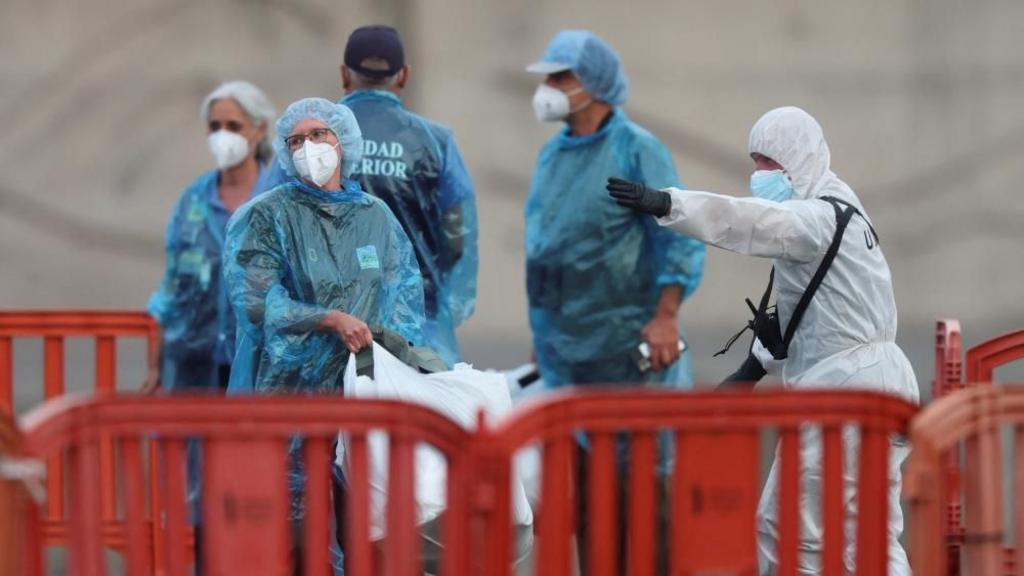
An uneasy hush settled over the charter flight as a 34‑year‑old Texas woman reported fever and muscle aches, prompting immediate medical checks. The U.S. Health and Human Services disclosed that, among 17 Americans being repatriated, one tested positive for hantavirus, a rare zoonotic disease. The finding highlights hidden health risks in crowded evacuation flights. The operation, organized by the State Department, reflects ongoing efforts to secure American citizens amid regional instability.
Hantavirus spreads through rodent droppings and causes severe respiratory illness with a mortality over 35 % if untreated. Confined aircraft cabins, limited airflow, and shared surfaces create ideal conditions for transmission. Although the passenger showed only mild symptoms and was isolated, the case questions the thoroughness of pre‑flight screening, the accuracy of rapid tests, and the ability to manage infectious cases during the flight. Crew members are also monitored, though no secondary cases have been reported.
Since the COVID‑19 pandemic, the United States has increased repatriation flights, often using charter aircraft with minimal health screening. Earlier scares, such as COVID‑19 detections on European flights, revealed gaps in testing and passenger monitoring. The hantavirus case therefore shows how expedited humanitarian evacuations can expose travelers to exotic pathogens for which they have no immunity. Health officials warn that undiagnosed cases could emerge weeks later, complicating post‑flight surveillance.
In the future, stricter health protocols, broader serological testing for zoonoses and upgraded cabin filtration, may become standard for repatriation flights. Diplomatic negotiations could incorporate health risk assessments, influencing rescue policies and balancing urgent humanitarian needs with epidemiological safeguards. The episode will likely be referenced as a benchmark in the evolving discourse on global health security.