Back to home
INTERNATIONAL18 June 2026
The Unraveling of the Naval Standoff: Trump's Desperate Deal and Iran's Rejection
The United States lifted its naval blockade of Iranian oil shipments, but Iran's supreme leader dismissed the deal as a desperate maneuver by Donald Trump. This split in Tehran's leadership underscores broader doubts about the durability of any diplomatic thaw.
La
La Rédaction
The Vertex
5 min read
Source: www.bbc.com
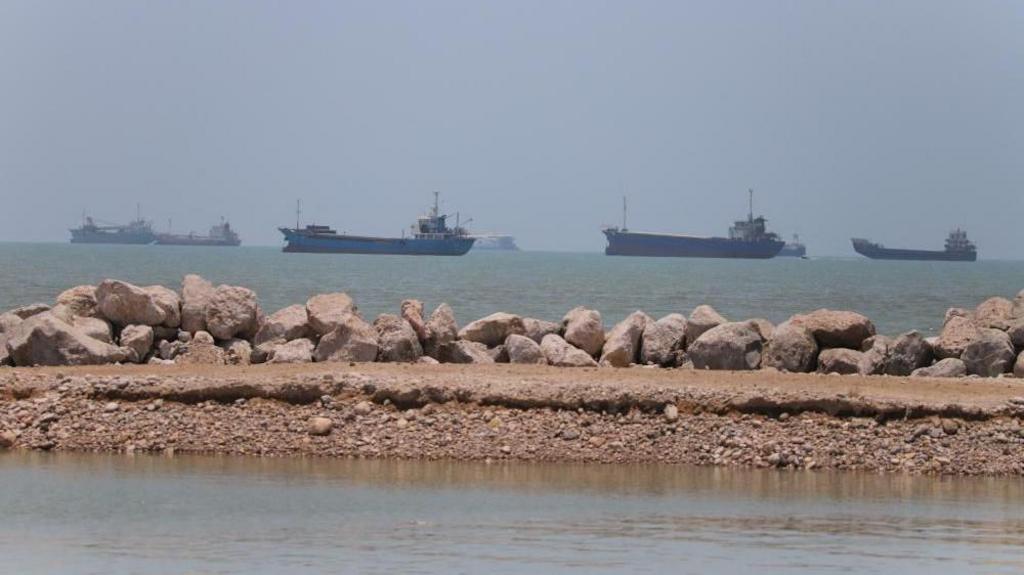
When the United States announced the removal of its naval blockade of Iranian oil shipments, the move was framed as a de‑escalation of a decades‑long maritime tension. Yet Iran’s supreme leader, Ayatollah Ali Khamenei, immediately rejected the agreement, characterising the deal signed by former president Donald Trump as a product of desperation rather than genuine diplomacy. The decision came after weeks of diplomatic overtures that were largely eclipsed by internal U.S. political debates.
The reversal of the blockade signals a tentative opening for Iran’s oil exports, potentially easing the economic strain caused by re‑imposed sanctions. However, Khamenei’s dissent underscores a deeper split within the Iranian leadership: hardliners view any concession as a betrayal of revolutionary principles, while pragmatists see the lifting as a necessary lever to sustain a faltering economy.
This episode fits into a broader narrative of maximum pressure that began with the 2018 withdrawal from the Joint Comprehensive Plan of Action, followed by a series of sanctions aimed at curbing Iran’s regional influence. The United States’ shift now reflects both a strategic recalibration amid rising Chinese and Russian engagement in the Persian Gulf and a domestic political calculus ahead of the 2024 election cycle, where Trump’s legacy remains a contested factor.
Looking ahead, the durability of the de‑escalation will hinge on whether the United States can translate this limited concession into a sustained diplomatic framework, and whether Iran’s leadership can reconcile its ideological rigidity with pragmatic economic needs. The outcome will shape not only the immediate security of the Strait of Hormuz but also the broader calculus of great‑power competition in the Middle East.