Back to home
INTERNATIONAL7 April 2026
The Shadow War: Decoding Recent US-Israeli Operations Against Iran
Recent US-Israeli strikes on Iranian infrastructure mark a significant escalation in hybrid warfare, targeting economic lifelines rather than military assets. This strategy raises questions about regional stability and the future of conflict in the Middle East.
La
La Rédaction
The Vertex
5 min read
Source: www.bbc.com
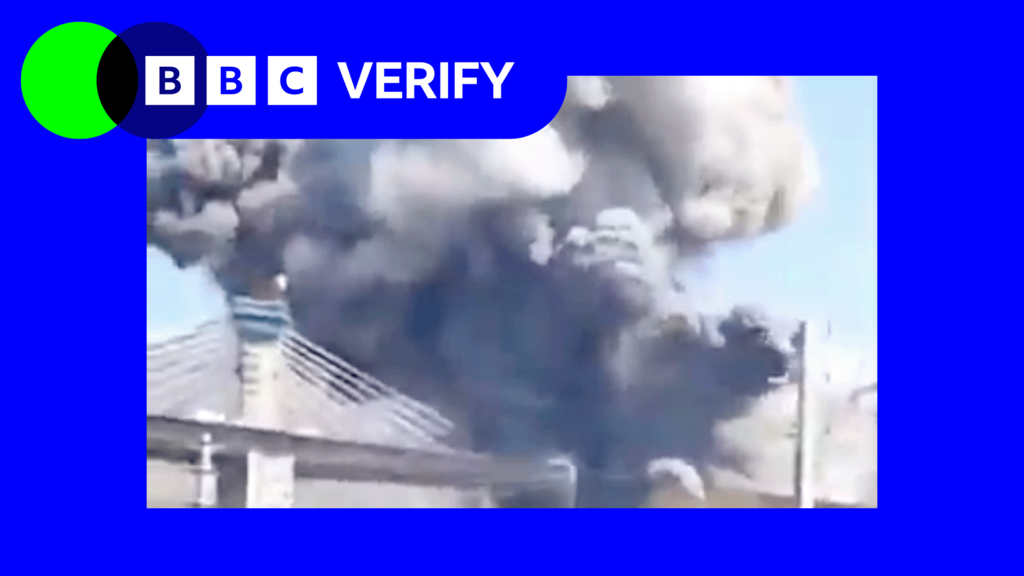
The recent series of strikes targeting Iranian infrastructure represents a significant escalation in the long-running shadow war between regional powers and Tehran. Verified videos showing attacks on bridges, steel plants, and pharmaceutical facilities reveal a calculated strategy aimed not at military targets but at Iran's economic lifelines and civilian infrastructure.
The precision of these operations suggests advanced intelligence capabilities and sophisticated planning. By targeting dual-use facilities that support both civilian and potential military applications, the strikes blur the line between conventional warfare and economic warfare. This approach allows the perpetrators to maintain plausible deniability while inflicting maximum economic damage.
These attacks come against the backdrop of failed nuclear negotiations and growing tensions in the Middle East. Iran's economy, already strained by sanctions and internal challenges, faces additional pressure from these targeted operations. The strikes appear designed to create cascading effects throughout Iran's industrial and supply chains, potentially forcing Tehran to divert resources from other strategic priorities.
Looking forward, this pattern of hybrid warfare raises concerns about regional stability. While avoiding direct military confrontation, such operations increase the risk of miscalculation and unintended escalation. Iran's response will likely involve asymmetric tactics, potentially targeting US or allied interests through proxy forces or cyber operations.
The international community faces a delicate balancing act between supporting legitimate security concerns and preventing further destabilization of the region. As this shadow war continues, the line between peace and conflict becomes increasingly blurred, challenging traditional concepts of warfare and diplomacy.