Back to home
INTERNATIONAL19 June 2026
Zurich Talks Cancelled as Vance Abandons Switzerland Visit, Stalling Iran Diplomacy
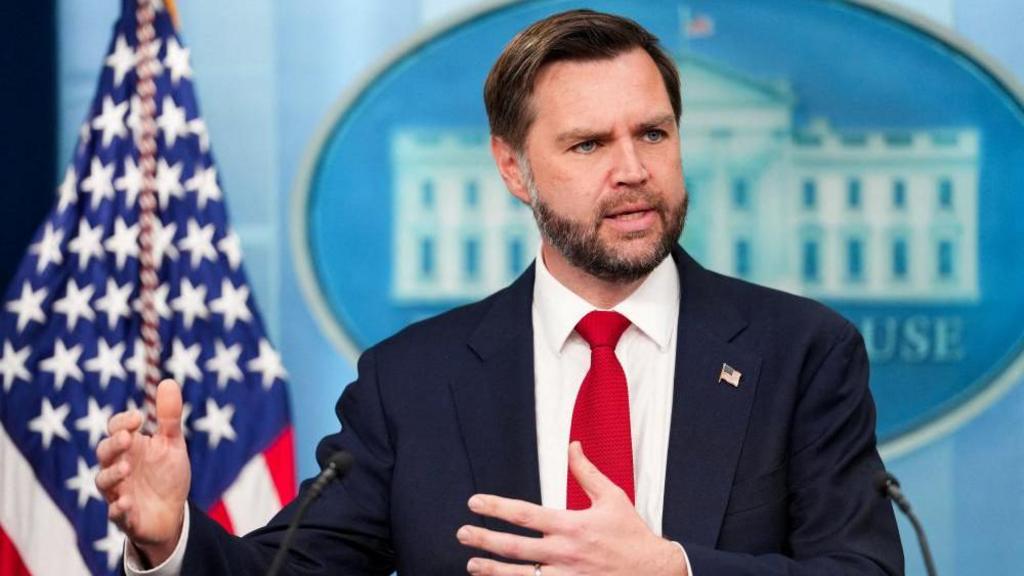
The planned indirect talks between the United States and Iran in Zurich have been called off after JD Vance cancelled his trip, reflecting domestic political constraints on both sides. The postponement stalls a confidence‑building measure that could have eased sanctions and reduced regional tensions.
La
La Rédaction
The Vertex
5 min read
Source: www.bbc.com
The much‑anticipated indirect talks between Washington and Tehran, scheduled to take place in Zurich, were meant to address the long‑standing nuclear impasse and to explore de‑escalation steps in a region where proxy conflicts have repeatedly flared, making the summit a rare opportunity for direct engagement. The postponement also underscores the fragility of diplomatic channels that have been repeatedly tested by geopolitical rivalries.
Vance’s withdrawal reflects a broader domestic calculus: the Republican base remains skeptical of any engagement with a regime that continues to support proxy forces across the Middle East, while the Biden administration faces mounting pressure from both hawks and pragmatists to demonstrate tangible progress, and Iran’s own hard‑liners have signaled unwillingness to compromise amid internal economic distress and upcoming parliamentary elections.
The postponement stalls a potential confidence‑building measure that could have eased sanctions relief and reduced the risk of miscalculation in the Gulf, thereby prolonging a stalemate that benefits hard‑liners on both sides, undermines broader efforts to stabilize the volatile Lebanon‑Israel front, and hampers diplomatic momentum needed to address the humanitarian crisis spilling over from Syria.
The United States and Iran have oscillated between rapprochement and confrontation since the 2015 nuclear deal, with the Zurich venue chosen for its diplomatic neutrality and prior use in sensitive negotiations, including the 2020 prisoner‑exchange talks and the 2022 indirect talks on maritime security that hinted at a willingness to manage regional flashpoints.
Unless a new diplomatic opening emerges, the delay may cement the current impasse, pushing the region toward heightened tensions and limiting the window for a negotiated settlement before the next U.S. electoral cycle and Iran’s internal power reshuffling, while also testing the credibility of international mediators.