Back to home
INTERNATIONAL18 June 2026
A Fragile Accord: US and Iran’s Step Toward Ending Conflict
The United States and Iran have signed a provisional cease‑fire agreement, sidelining the contentious nuclear issue for later talks. While it offers a brief respite from sanctions and regional hostilities, its durability will depend on rigorous verification and broader diplomatic follow‑up.
La
La Rédaction
The Vertex
5 min read
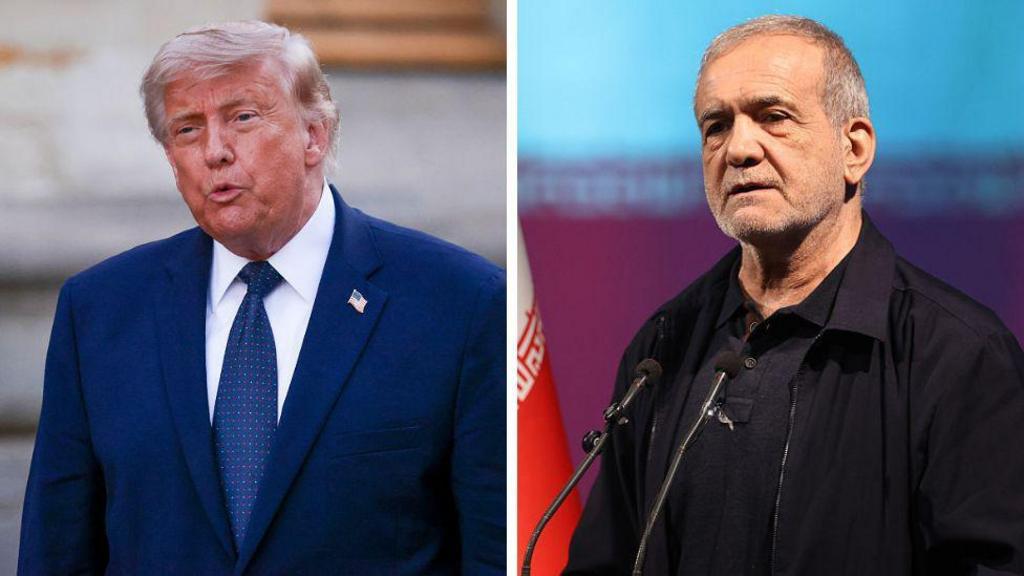
Source: www.bbc.com
In a rare moment of diplomatic convergence, the presidents of the United States and Iran have signed a provisional agreement intended to de‑escalate the long‑standing conflict that has haunted the Middle East for decades. The text, brokered amid a fragile regional stalemate, promises a cease‑fire along contested frontlines while leaving the core issue of Iran’s nuclear programme to a separate, time‑bound negotiation.
Politically, the deal reflects a strategic recalibration for both leaders. For the U.S. president, it offers a tangible achievement ahead of a fraught domestic climate, where public opinion remains divided over military engagement. In Iran, the agreement provides a modest reprieve from crippling sanctions and a platform to showcase Tehran’s willingness to engage, even as hard‑liners question the concessions made.
Economically, the easing of certain sanctions could unlock billions in oil revenues, influencing global energy markets, yet the limited scope of the agreement means the bulk of the sanctions regime remains intact, preserving significant pressure on Tehran. Security experts caution that a unilateral pause in hostilities does not guarantee a durable reduction in proxy conflicts, which continue to fuel instability across Iraq, Syria, and Yemen.
Contextualising the accord within history reveals a pattern: the 2015 Joint Comprehensive Plan of Action achieved a similar freeze on nuclear activities before its abrupt U.S. withdrawal in 2018 reignited tensions. The current deal echoes earlier attempts at incremental confidence‑building, yet its provisional nature underscores the persistent mistrust that has hampered comprehensive settlements.
Looking ahead, the durability of the cease‑fire will hinge on rigorous verification mechanisms and the willingness of both sides to translate the provisional pact into a comprehensive framework addressing nuclear capabilities, ballistic missile development, and regional influence. If successful, the agreement could pave the way for a broader détente; if it falters, the region may revert to a cycle of escalation and diplomatic stalemate.