Back to home
INTERNATIONAL11 July 2026
The Strait of Hormuz Standoff: Diplomacy Amid the Shadow of Conflict
The United States is urging Iran to pledge to stop firing on ships in the Strait of Hormuz as talks resume in Oman, with Vice‑President JD Vance expected to attend. The demand highlights the strategic importance of the waterway for global energy flows.
La
La Rédaction
The Vertex
5 min read
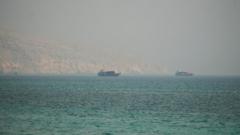
Source: www.bbc.co.uk
The United States has signaled a renewed diplomatic push to de‑escalate maritime tensions in the Strait of Hormuz, demanding that Tehran formally commit to refrain from firing on commercial vessels.
The Strait of Hormuz carries roughly one‑third of global oil shipments, making any escalation a direct threat to energy markets, insurance premiums and the fragile stability of the Gulf region. A single incident could trigger price spikes, supply chain disruptions and heightened geopolitical risk.
A pledge would set a clear, enforceable baseline, lowering the risk of accidental confrontations and signalling Washington’s willingness to engage constructively, potentially unlocking broader sanctions discussions that have stalled since the 2018 nuclear agreement withdrawal.
The Strait has been a flashpoint since the 1980s tanker war between Iran and Iraq, and again during the 2019‑2020 seizures of vessels by Iran‑aligned militias, prompting a heightened U.S. naval presence and a cycle of diplomatic brinkmanship.
If Iran complies, Washington could offer limited sanction relief and joint monitoring mechanisms, fostering a more predictable maritime environment and reducing the likelihood of a broader regional confrontation.
In sum, the forthcoming Oman round of talks represents a critical test of whether the United States can translate a tactical demand into a strategic de‑escalation, with profound implications for global energy security and the geopolitical balance in the Persian Gulf.
The outcome will also reflect Iran’s domestic political calculus, as hardliners may view any concession as a betrayal, while reformists could use it to argue for engagement, influencing Tehran’s stance in upcoming nuclear negotiations.
Moreover, the talks occur amid a wider reshaping of Middle East alliances, with regional powers such as Saudi Arabia and the United Arab Emirates watching closely, aware that a de‑escalation could reshape energy pricing and diplomatic dynamics.