Back to home
INTERNATIONAL15 June 2026
The Fragile Calm: How the US-Iran Accord Redefines the War's Uncertainty
The recent US-Iran agreement eases immediate military uncertainty, but the underlying conflict remains volatile, with political, economic and social ramifications still unfolding.
La
La Rédaction
The Vertex
5 min read
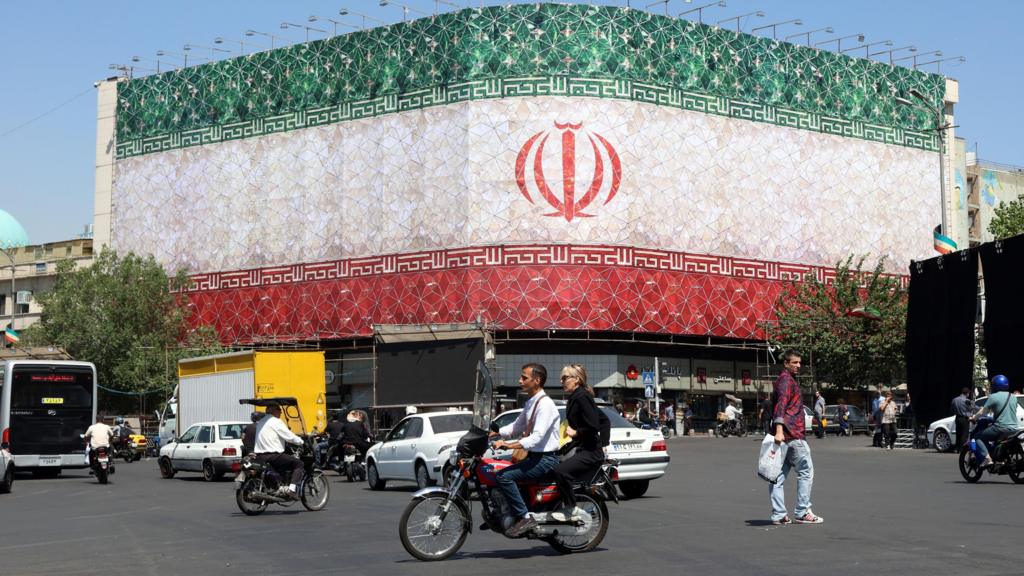
Source: www.bbc.com
The recent United States-Iran agreement, brokered amid a volatile regional backdrop, has momentarily steadied the flaring conflict that has drawn in multiple actors across the Middle East. While the deal promises a reduction in immediate military uncertainty, the underlying war continues to evolve, leaving the path forward far from settled.
Politically, the accord signals a tentative diplomatic opening, yet it does not resolve the core grievances fueling proxy warfare. Tehran's strategy remains tied to allied militias, while Washington's modest sanction relief indicates a calibrated recalibration, not a full shift. Economically, limited sanction easing may modestly boost Iran's oil exports, but global market impact stays muted due to ongoing escalation risks. Socially, the fragile ceasefire endangers civilians already strained by displacement; Pakistan's claim that the deal extends to Lebanon adds complexity, as recent southern ceasefire attempts have repeatedly collapsed, highlighting the truce's fragility.
Placed in a broader perspective, this agreement fits into a series of incremental exchanges punctuated by setbacks since the 2015 nuclear framework. The Middle East has experienced alternating periods of détente and tension, motivated by the interests of external powers and internal sectarian dynamics. The current arrangement reflects both domestic pressure on Iran and a US strategic aim to prevent a wider conflagration that could destabilize oil supplies and regional stability.
Looking ahead, the durability of the deal will hinge on verification mechanisms and the willingness of both sides to honor incremental confidence-building steps. If the parties can translate temporary calm into sustained diplomatic dialogue, the accord may become a cornerstone for a longer-term settlement; however, any relapse could reignite hostilities, reminding observers that the war's outcome remains highly contingent on the interplay of political will, economic incentives, and external geopolitical calculations.