Back to home
ECONOMY12 May 2026
U.S. Inflation Surges to 3.8% as Energy Costs Spike from Iran Conflict
U.S. inflation rose to 3.8% in May, the highest level since May 2023, driven by a sharp rise in energy prices linked to the Iran war. The data intensify pressure on the Federal Reserve and raise questions about the economic outlook ahead of the 2024 election.
La
La Rédaction
The Vertex
5 min read
Source: www.bbc.com
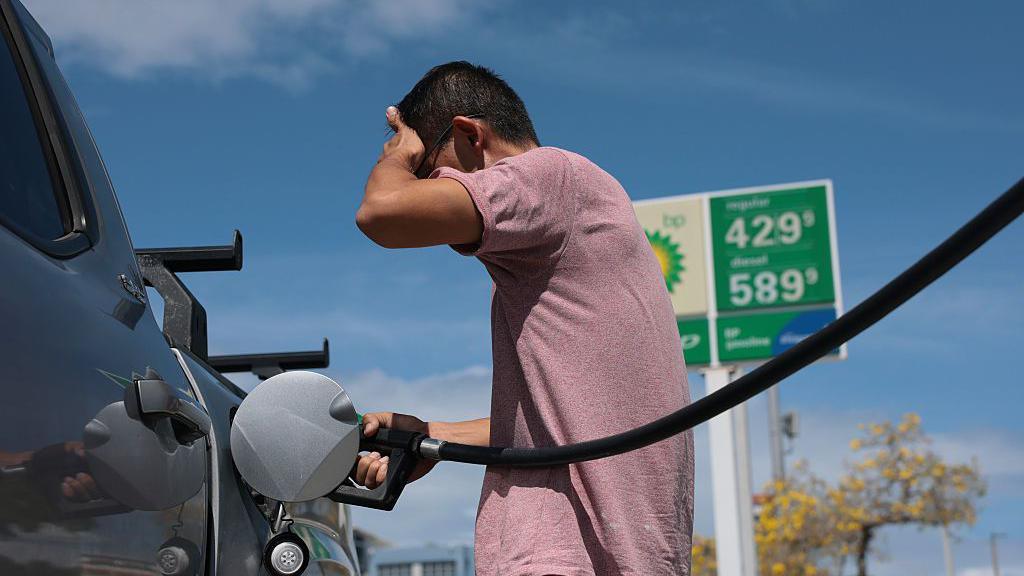
The United States’ headline inflation rate jumped to 3.8% in May, marking its highest level since May 2023 and the steepest monthly increase in over a year. The surge was driven primarily by a 12% rise in gasoline prices and a 9% jump in heating oil, both reflecting the ripple effects of the Iran war on global energy markets and domestic supply chains.
Politically, the data sharpen the focus on the Federal Reserve’s dual mandate, compelling policymakers to balance inflation containment against the risk of a recession that could jeopardize the incumbent party’s electoral prospects and erode public confidence in economic stewardship. The Fed’s next meeting will be scrutinized for any hint of a rate‑cut timeline, while congressional leaders are already framing the numbers in the context of upcoming midterm narratives.
Contextually, this uptick follows a two‑year decline after the pandemic‑induced peak of mid‑2022, yet it revives memories of the 2008 energy shock and underscores how contemporary geopolitical realignments now feed directly into domestic price dynamics. Unlike the 2022 surge, which was broad‑based across food and housing, the present rise is concentrated in energy, suggesting a more targeted inflationary pressure that may be less persistent if supply stabilizes.
Looking ahead, the Federal Reserve is likely to keep rates steady while watching wage‑price spirals and the trajectory of energy markets, but a sustained spike in oil prices could reignite broader inflationary pressures, complicating growth forecasts and adding volatility to the 2024 presidential contest. Analysts warn that without a coordinated policy response—whether through strategic reserves, diplomatic pressure, or monetary tightening—the United States may face a prolonged period of elevated inflation that tests both consumer resilience and political stability.