Back to home
INTERNATIONAL19 March 2026
Washington's Delicate Pivot: The Implications of Easing Sanctions on Iranian Oil
Treasury Secretary Bessent's consideration of waiving sanctions on Iranian oil signals a potential shift in U.S. policy, balancing economic pragmatism against diplomatic credibility in a volatile global energy market.
La
La Rédaction
The Vertex
5 min read
Source: www.bbc.com
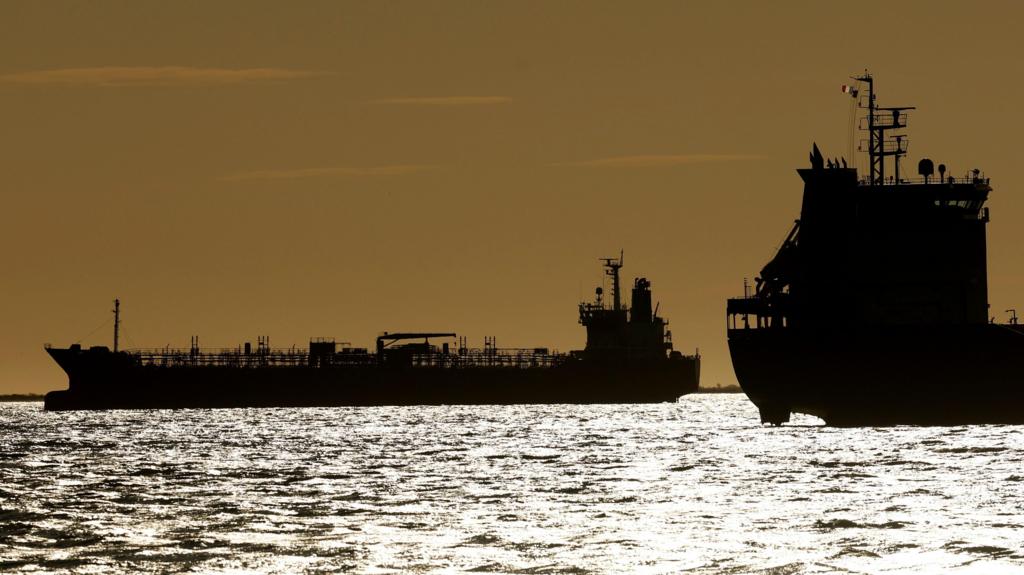
In a striking departure from established U.S. policy, Treasury Secretary Scott Bessent has reportedly floated the idea of waiving sanctions on Iranian oil already at sea. This potential shift represents more than a tactical adjustment—it signals a recalibration of America's approach to Iran amid mounting geopolitical and economic pressures.
The move comes at a time when global energy markets remain volatile, with prices sensitive to supply disruptions and geopolitical tensions. By potentially allowing Iranian oil to reach markets, Washington could be seeking to stabilize prices while simultaneously creating leverage in nuclear negotiations. However, this approach carries significant risks, potentially undermining the credibility of U.S. sanctions as a diplomatic tool.
Historically, American sanctions on Iranian oil have been among the most comprehensive and effective instruments of economic pressure. The current consideration to relax these measures suggests growing recognition within the administration that maximum pressure may have reached its limits. Yet critics argue that such a reversal could embolden Tehran, potentially encouraging further nuclear advances or regional provocations.
The international community watches closely as this policy debate unfolds. European allies, already strained by transatlantic disagreements on Iran policy, may view this as either a pragmatic adjustment or a worrying inconsistency. Meanwhile, regional powers like Saudi Arabia and Israel have expressed concerns about any easing of pressure on Iran.
Looking ahead, if implemented, this policy shift could mark the beginning of a more transactional U.S.-Iran relationship, where economic pragmatism temporarily supersedes ideological opposition. The coming weeks will reveal whether this represents a genuine strategic pivot or merely a tactical maneuver in the complex chess game of Middle Eastern diplomacy.