Back to home
INTERNATIONAL20 May 2026
Legal Reckoning: The United States Accuses Raúl Castro of Murder in 1996 Airliner Downing
The United States has charged former Cuban leader Raúl Castro and five allies with the 1996 murder of two American pilots, reviving Cold‑War tensions and prompting debate over justice and diplomatic policy.
La
La Rédaction
The Vertex
5 min read
Source: www.bbc.com
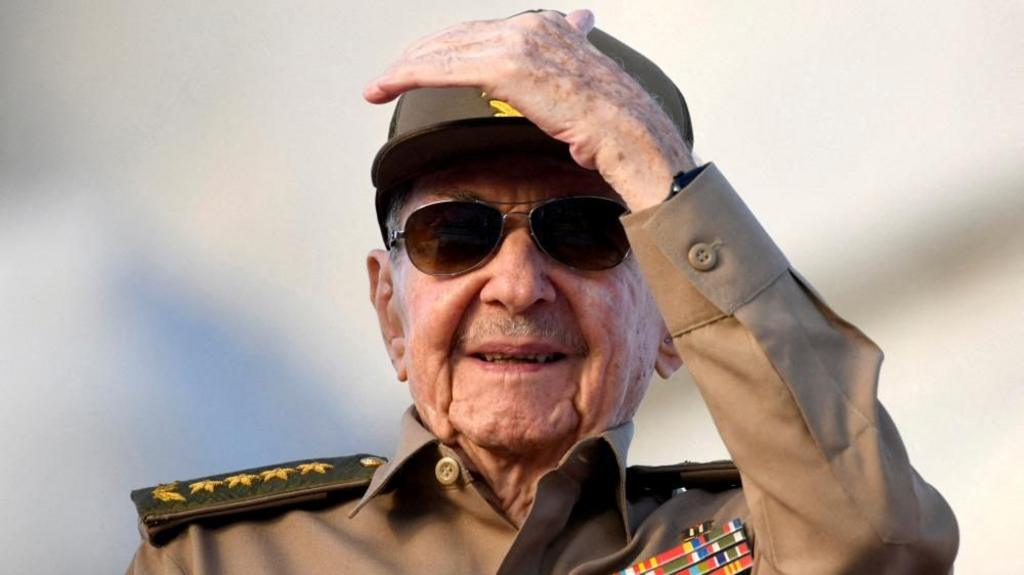
In a legal move, the United States has charged former Cuban leader Raúl Castro and five associates with the 1996 murder of two American pilots whose aircraft were shot down over the Florida Straits. The indictment, unsealed Tuesday, marks the first time a former Cuban leader has been directly charged in a U.S. criminal complaint.
The indictment, unsealed Tuesday, accuses Raúl Castro and five associates of conspiring to murder U.S. nationals, committing murder and destroying aircraft, invoking federal statutes (murder and conspiracy). It alleges that Cuba’s Ministry of the Interior ordered fighter pilots to down two small planes of the nonprofit group Brothers to the Rescue, which were flying over the Florida Straits. Though Castro lives in exile and is unlikely to be tried in the United States, the charge signals a renewed U.S. willingness to pursue historic grievances through criminal law despite the improbability of physical apprehension.
The 1996 shoot‑down occurred amid a climate of heightened hostility after the Cuban government branded the pilots as anti‑Castro agitators, a label that justified the use of force under the regime’s security doctrine. The incident took place shortly after the enactment of the Helms‑Burton Act, which codified economic sanctions and reinforced the United States’ narrative of Cuban hostility. Brothers to the Rescue, a Miami‑based advocacy group, had been conducting low‑altitude flights to drop leaflets critical of the Cuban authorities, a activity that the Cuban state deemed a provocation.
Legal scholars argue that the indictment functions more as a political lever than a realistic prospect of prosecution, emphasizing the improbability of extraditing an elderly former leader and the jurisdictional barriers that would impede a trial. Nonetheless, the charge re‑asserts Washington’s narrative of Cuban culpability, potentially influencing upcoming U.S. elections, congressional debates on sanctions, and the calculus of future diplomatic engagement. The long‑term significance will hinge on whether this accusation translates into tangible pressure or remains a symbolic footnote in the enduring contest over Cold‑War legacies.