Back to home
INTERNATIONAL4 April 2026
US Detains Soleimani Relatives: A Calculated Move in Iran Tensions
The US has detained relatives of slain Iranian general Qasem Soleimani, highlighting ongoing tensions between Washington and Tehran. This move raises questions about the use of family ties in geopolitical conflicts.
La
La Rédaction
The Vertex
5 min read
Source: www.bbc.com
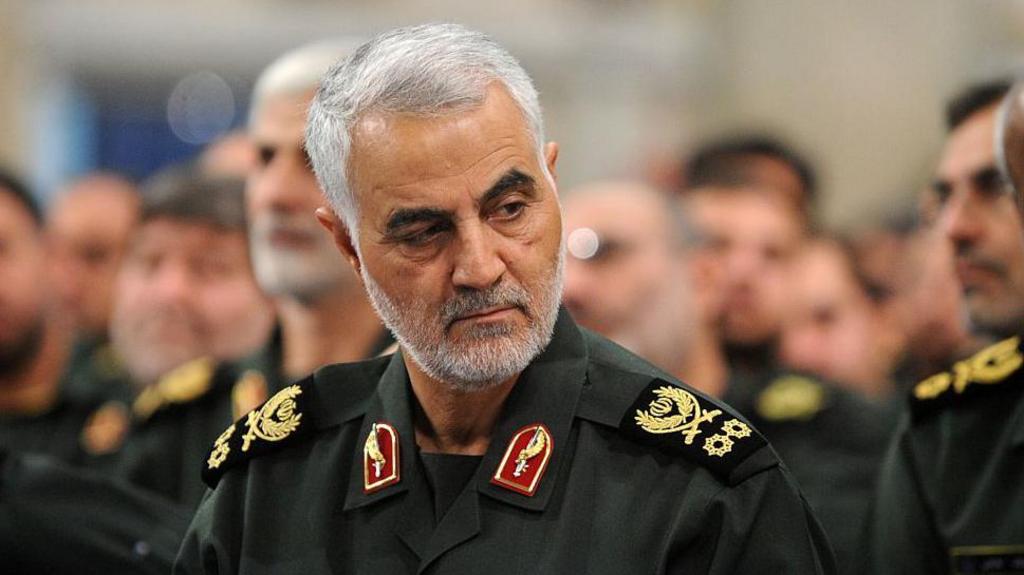
The United States has detained Zeinab Soleimani, niece of the late Iranian general Qasem Soleimani, along with her daughter, in a move that underscores the ongoing shadow war between Washington and Tehran. Qasem Soleimani, commander of Iran's elite Quds Force, was killed in a US drone strike in Baghdad in January 2020, an act that dramatically escalated tensions between the two nations.
The arrest of Soleimani's relatives comes amid heightened scrutiny of Iranian nationals in the US, particularly those with familial ties to figures deemed hostile by American authorities. While officials have not disclosed specific charges, the detentions appear to be part of a broader strategy to exert pressure on Iran through its diaspora.
This development reflects the complex interplay of personal and political in US-Iran relations. Soleimani's family has long been a symbol of Iranian resistance to American influence in the Middle East. By targeting his relatives, the US may be attempting to send a message about the reach of its counterterrorism efforts and the potential consequences for those connected to high-profile adversaries.
The detentions raise questions about the balance between national security and human rights, particularly for family members who may not have been directly involved in any alleged wrongdoing. As tensions persist, such actions risk further straining diplomatic relations and potentially radicalizing segments of the Iranian-American community.
Looking ahead, this incident could have ripple effects on US-Iran negotiations and the broader geopolitical landscape of the Middle East. It serves as a stark reminder that the legacy of Soleimani's death continues to shape the fraught relationship between these two nations, extending beyond the battlefield into the realm of family and personal ties.