Back to home
SOCIETY16 March 2026
The Transatlantic Anti-Abortion Push: Can US Tactics Reshape UK Abortion Rights?
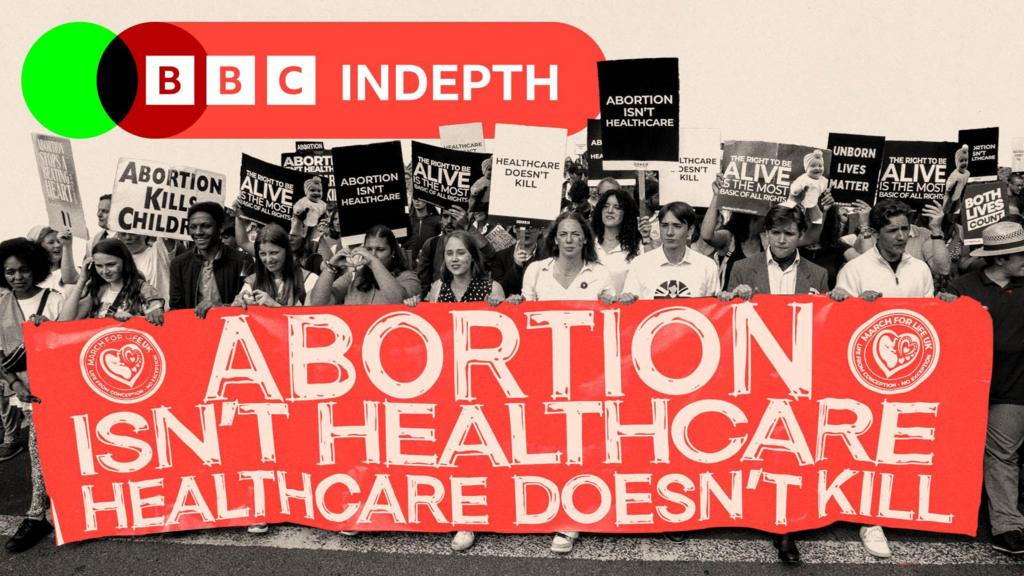
American anti-abortion groups are exporting their tactics to the UK, challenging the country's pro-choice consensus through misinformation and grassroots organizing. This transatlantic campaign raises concerns about the future of reproductive rights in Britain.
La
La Rédaction
The Vertex
5 min read
Source: www.bbc.com
The murder of abortion provider George Tiller in 2009 by an anti-abortion extremist galvanised a new wave of activism in the United States. Now, a decade later, American anti-abortion groups are exporting their tactics across the Atlantic, seeking to erode Britain's longstanding pro-choice consensus. This transatlantic campaign represents a significant escalation in the global anti-abortion movement, leveraging social media, targeted misinformation, and grassroots organizing to challenge reproductive rights in a country where abortion has been legal since 1967.
The UK has historically maintained a more permissive stance on abortion compared to the United States, with the 1967 Abortion Act legalizing the procedure under certain circumstances. However, recent years have seen a gradual shift in public discourse, with anti-abortion activists employing strategies honed in the US. These include the use of graphic imagery, the promotion of crisis pregnancy centers that discourage abortion, and the dissemination of misleading information about the procedure's safety and prevalence.
One of the most concerning aspects of this imported activism is its potential to exploit existing vulnerabilities in the UK's healthcare system. The National Health Service (NHS) faces ongoing challenges, including funding constraints and staffing shortages, which anti-abortion groups may seek to leverage by framing abortion as an unnecessary burden on public resources. Additionally, the rise of online misinformation and echo chambers has created fertile ground for the spread of anti-abortion narratives, particularly among younger demographics.
As this transatlantic campaign gains momentum, it raises critical questions about the future of reproductive rights in the UK. Will the country's traditionally liberal stance withstand this imported pressure, or will it succumb to the same polarization and restrictions seen in parts of the United States? The outcome of this struggle will have far-reaching implications not only for British women but also for the global trajectory of reproductive rights.
Looking ahead, the success of US-inspired anti-abortion activism in the UK will likely depend on several factors, including the resilience of pro-choice advocates, the effectiveness of counter-messaging, and the broader political climate. As the battle for reproductive rights intensifies on both sides of the Atlantic, the UK finds itself at a critical juncture, forced to confront the possibility that its hard-won reproductive freedoms may no longer be as secure as once believed.