Back to home
INTERNATIONAL5 April 2026
Behind the Iran Rescue: A Rare Diplomatic Opening Amid Rising Tensions
The rescue of a US airman from Iran highlights rare cooperation between adversaries and raises questions about military-to-military communications despite political tensions.
La
La Rédaction
The Vertex
5 min read
Source: www.bbc.com
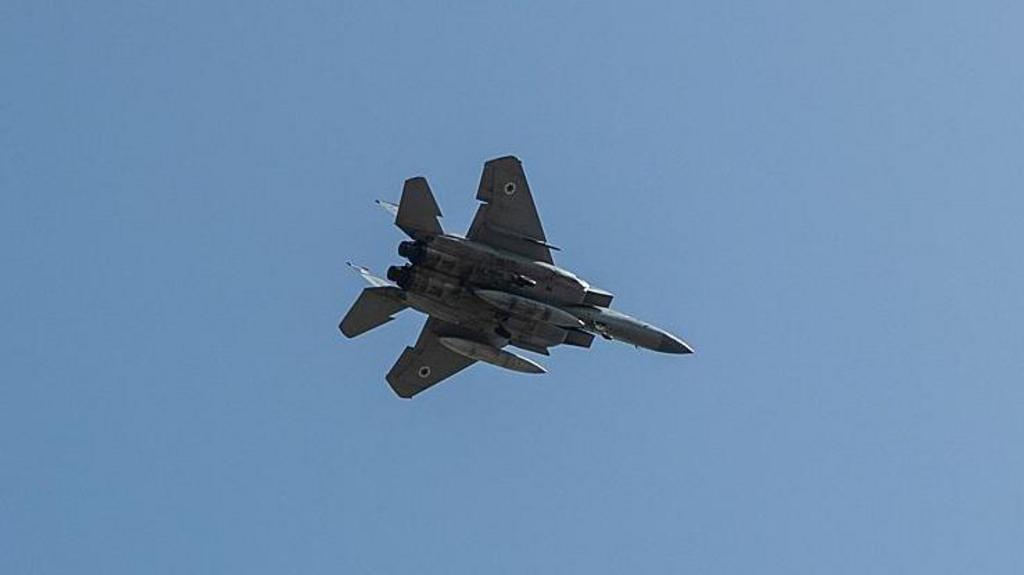
The rescue of a US airman from Iranian territory, announced by President Trump, represents an unusual moment of cooperation between two nations locked in decades of mutual hostility. While the circumstances remain unclear, this incident highlights the complex web of military operations, intelligence sharing, and diplomatic backchannels that persist even between adversaries.
Historically, such incidents have often escalated into major diplomatic crises. The 2001 Hainan Island incident, where a US spy plane collided with a Chinese fighter jet, took months to resolve and severely strained bilateral relations. Similarly, the 2016 detention of US Navy sailors in Iranian waters nearly derailed the implementation of the nuclear deal.
What makes this rescue notable is the apparent coordination between US and Iranian authorities. Despite the Trump administration's maximum pressure campaign and the recent assassination of Iranian general Qasem Soleimani, practical military considerations sometimes override political rhetoric. Both nations have vested interests in preventing accidental escalation, particularly in the Persian Gulf where US and Iranian forces operate in close proximity.
The incident raises questions about the current state of US-Iran military communications. While official diplomatic channels remain largely frozen, military-to-military contacts often continue through third parties or established protocols. This suggests a pragmatic recognition that direct confrontation serves neither side's interests, even as political tensions remain high.
Looking forward, this rescue could potentially serve as a foundation for limited cooperation on other shared concerns, such as maritime security or counter-terrorism. However, the deep mistrust between Washington and Tehran means any such cooperation would likely remain limited and carefully calibrated to avoid domestic political backlash in either country.