Back to home
INTERNATIONAL28 March 2026
The UN Vote on Slavery: Navigating the Complexities of Historical Justice
The UN vote on slavery highlights the complex debate over historical reparations, balancing moral imperatives with legal and political challenges.
La
La Rédaction
The Vertex
5 min read
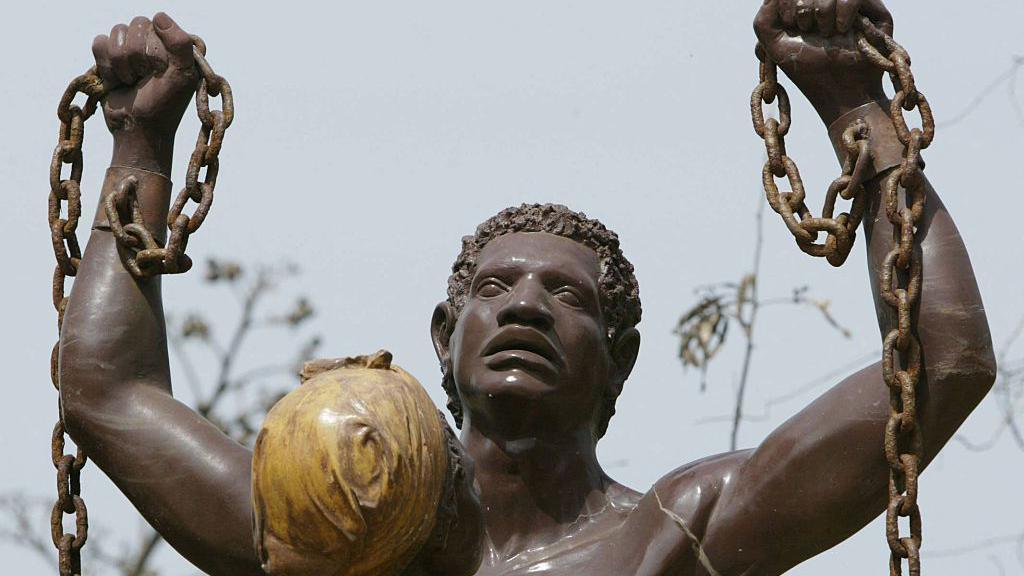
Source: www.bbc.com
The recent UN vote on slavery has reignited a contentious debate over historical reparations, with African and Caribbean nations advocating for compensation from countries that profited from the transatlantic slave trade. This initiative, while morally compelling, faces significant legal and political hurdles that complicate its implementation.
The call for reparations is rooted in the enduring economic and social disparities that stem from centuries of exploitation. Proponents argue that the wealth accumulated by former colonial powers was built on the backs of enslaved individuals, and thus, a moral obligation exists to address these historical injustices. However, the legal framework for such reparations is fraught with challenges, including the difficulty of quantifying historical damages and the passage of statutes of limitations.
Politically, the issue is equally divisive. Wealthier nations, many of which benefited from slavery, are reluctant to engage in discussions that could lead to financial liabilities. This reluctance is compounded by the lack of a clear mechanism for distributing reparations and the potential for domestic political backlash in donor countries.
Despite these obstacles, the UN vote represents a significant step in acknowledging the historical wrongs of slavery. It has sparked a global conversation about the responsibilities of nations to address historical injustices and the potential for reparative measures to promote healing and reconciliation. As the debate continues, it remains to be seen whether a consensus can be reached on a path forward that balances historical accountability with contemporary political realities.