Back to home
INTERNATIONAL7 July 2026
Ukraine Warns of Critical Interceptor Shortage Amid Deadly Russian Assault
President Zelensky warned that a shortage of interceptor missiles threatens Ukraine’s ability to defend Kyiv after a massive Russian assault that killed 23 civilians. The attack involved 68 missiles and 351 drones, exposing critical gaps in air‑defence capacity.
La
La Rédaction
The Vertex
5 min read
Source: www.bbc.co.uk
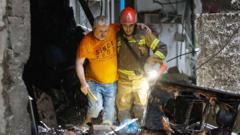
On Sunday, President Volodymyr Zelensky described a massive Russian attack on Kyiv that involved 68 missiles and 351 strike drones, resulting in 23 civilian deaths across the capital region. The assault, which struck residential districts and critical infrastructure, underscored the vulnerability of Ukraine’s air‑defence system and prompted an urgent public warning about a looming shortage of interceptor missiles.
Zelensky’s appeal highlights a strategic bottleneck: the current stock of long‑range interceptor missiles is insufficient to sustain the high‑tempo barrage Moscow has been delivering since the spring of 2022. Each Patriot or S‑300 battery can engage only a limited number of targets per salvo, and the depletion of spare munitions forces commanders to ration engagements, risking gaps in coverage that could allow more missiles to reach populated areas.
The shortage is not merely a technical issue but a symptom of broader logistical strain. Western suppliers, while increasing production, face export‑control hurdles and domestic political constraints that slow delivery. Moreover, the prolonged conflict has exhausted existing inventories, and the rapid turnover of drones and loitering munitions further compounds the demand for high‑altitude interceptors.
Looking ahead, Ukraine’s ability to replenish its missile stock will shape both its defensive posture and its diplomatic leverage. A robust resupply effort could restore confidence among civilians and allies, while continued scarcity may force a recalibration of air‑defence tactics, increasing reliance on mobile systems or de‑confliction zones. The coming months will test whether the international community can translate rhetoric into the concrete ammunition needed to protect Ukrainian lives.