Back to home
INTERNATIONAL10 July 2026
Ukraine’s Strategic Hit on Crimea’s Fuel Lifelines
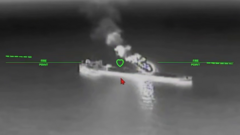
On 9 July 2026, Ukrainian forces struck Russian ships near Crimea, marking the latest effort to choke off fuel supplies and logistical routes to the occupied peninsula. The attack highlights a strategic shift toward targeted sabotage in the ongoing war.
La
La Rédaction
The Vertex
5 min read
Source: www.bbc.co.uk
On 9 July 2026, Ukrainian forces carried out a precise strike against several Russian naval vessels moored near the annexed Crimean peninsula. The operation, confirmed by multiple intelligence sources, marks the latest escalation in Kyiv’s campaign to sever the logistical arteries that sustain the Russian military presence in the region.
The attack underscores a shift from conventional front‑line engagements toward targeted sabotage of supply routes. By striking fuel‑laden ships, Ukraine aims to disrupt the flow of petroleum products that power both civilian infrastructure and the Russian navy’s operational capacity in the Black Sea. This tactic reflects a broader strategy to choke off the lifelines that keep occupied territories functional.
Economically, the implications are significant. Crimea relies heavily on imported fuel, and any interruption threatens heating, electricity, and transportation networks for its population. Moreover, the disruption forces Russia to reroute supplies through longer, more vulnerable pathways, increasing costs and logistical complexity. The ripple effects may strain Moscow’s already stretched war‑economy.
Historically, Crimea has been a focal point of hybrid warfare since 2014, when Russia annexed the region. Previous incidents—ranging from cyber‑attacks on energy grids to covert naval skirmishes—have sought to undermine Russian control without escalating to full‑scale confrontation. This latest strike fits within that pattern of incremental pressure.
Looking ahead, the strike may provoke a calibrated Russian response, potentially targeting Ukrainian coastal infrastructure or intensifying blockades of Black Sea shipping lanes. If successful, it could accelerate diplomatic negotiations by highlighting the vulnerability of the occupied peninsula’s supply chain, while also testing the limits of Ukraine’s asymmetric tactics in a protracted conflict.