Back to home
SOCIETY20 March 2026
Tunisia's Anti-Racism Champion Silenced: The Price of Speaking Truth to Power
Tunisian anti-racism activist Saadia Mosbah has been sentenced to eight years in prison, highlighting the country's democratic backsliding and raising concerns about the future of civil liberties in North Africa.
La
La Rédaction
The Vertex
5 min read
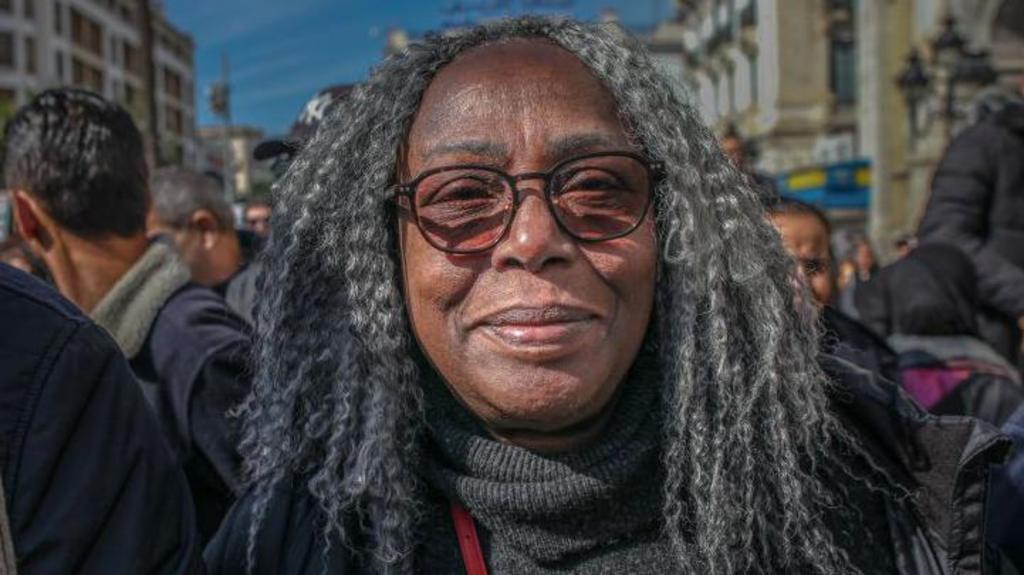
Source: www.bbc.com
In a chilling verdict that has sent shockwaves through civil society, Tunisian anti-racism activist Saadia Mosbah has been sentenced to eight years in prison for her outspoken advocacy on behalf of migrants and marginalized communities. The sentence, handed down by a Tunisian court, represents a dramatic escalation in the government's crackdown on dissent and raises serious questions about the state of human rights in the North African nation.
Mosbah, founder of the organization M'nmty (My Dream), has long been a thorn in the side of Tunisia's political establishment. Her activism gained particular prominence following President Kais Saied's controversial 2023 remarks suggesting that sub-Saharan migrants posed a demographic threat to Tunisia. In response, Mosbah intensified her campaigns against racial discrimination and for migrant rights, organizing protests and providing support to affected communities.
However, her unwavering commitment to these causes appears to have made her a target. The charges against Mosbah, which her supporters claim are politically motivated, include accusations of undermining state security and spreading false information. Human rights organizations have decried the verdict as part of a broader pattern of repression under Saied's increasingly authoritarian rule.
This case is not merely about one activist's fate but reflects the growing tensions between civil society and an increasingly intolerant state apparatus. Tunisia, once hailed as the sole democratic success story of the Arab Spring, now finds itself at a crossroads. The government's actions against figures like Mosbah suggest a troubling retreat from the hard-won freedoms of the revolution's early years.
The international community must now grapple with how to respond to this regression. Will diplomatic pressure and economic leverage be enough to reverse Tunisia's democratic decline, or are we witnessing the final stages of a democratic experiment that began with such promise a decade ago?