Back to home
INTERNATIONAL20 March 2026
Trump's Pearl Harbor Analogy: A Historical Misstep in US-Japan Diplomacy
President Trump's comparison of US strikes on Iran to Japan's 1941 Pearl Harbor attack represents a diplomatic misstep, highlighting the delicate nature of historical references in international relations.
La
La Rédaction
The Vertex
5 min read
Source: www.bbc.com
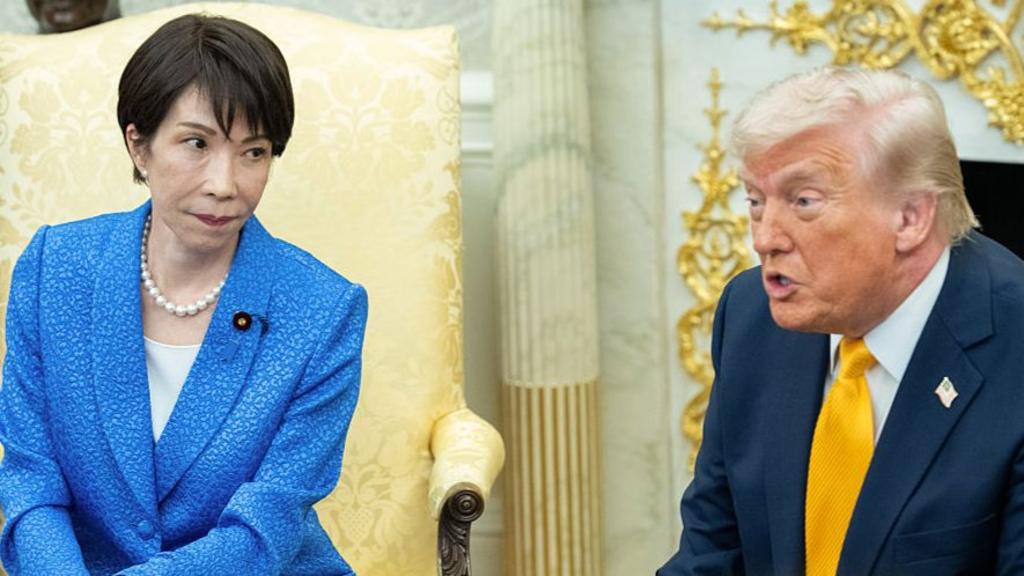
President Trump's recent comparison of US military strikes on Iran to Japan's 1941 attack on Pearl Harbor represents a striking diplomatic misstep that underscores the complex tensions in contemporary American foreign policy. During a meeting with Japan's Prime Minister, Trump invoked the devastating surprise attack that killed over 2,400 Americans and drew the United States into World War II, suggesting a parallel with current military operations in the Middle East.
The analogy is particularly problematic given Japan's historical sensitivity to wartime references. The Pearl Harbor attack remains a deeply traumatic national memory for both countries, symbolizing not just military conflict but a fundamental rupture in international relations. By casually referencing this moment, Trump appears to have overlooked the nuanced diplomatic considerations that should govern high-level international discussions.
This rhetorical choice reflects broader patterns in Trump's foreign policy approach, characterized by impulsive language and a tendency to use historical analogies without fully considering their implications. The comparison suggests a worldview that potentially conflates different historical contexts and geopolitical strategies, potentially undermining diplomatic credibility.
For Japan, a nation that has carefully rebuilt its international relationships since World War II, such remarks could be perceived as insensitive and potentially damaging to bilateral trust. The incident highlights the delicate balance required in international diplomacy, where historical awareness and cultural sensitivity are paramount.
Moving forward, this episode serves as a reminder of the critical importance of diplomatic precision and the potential consequences of careless historical references in international relations.