Back to home
INTERNATIONAL28 May 2026
Trump's 'Not Satisfied' Remark Revives Uncertainty Over Iran Nuclear Deal
President Trump says the United States remains dissatisfied with the Iran nuclear deal, even as he acknowledges Tehran’s desire for an agreement. The statement highlights unresolved issues on missile capabilities and regional behavior, casting doubt on future diplomatic progress.
La
La Rédaction
The Vertex
5 min read
Source: www.bbc.com
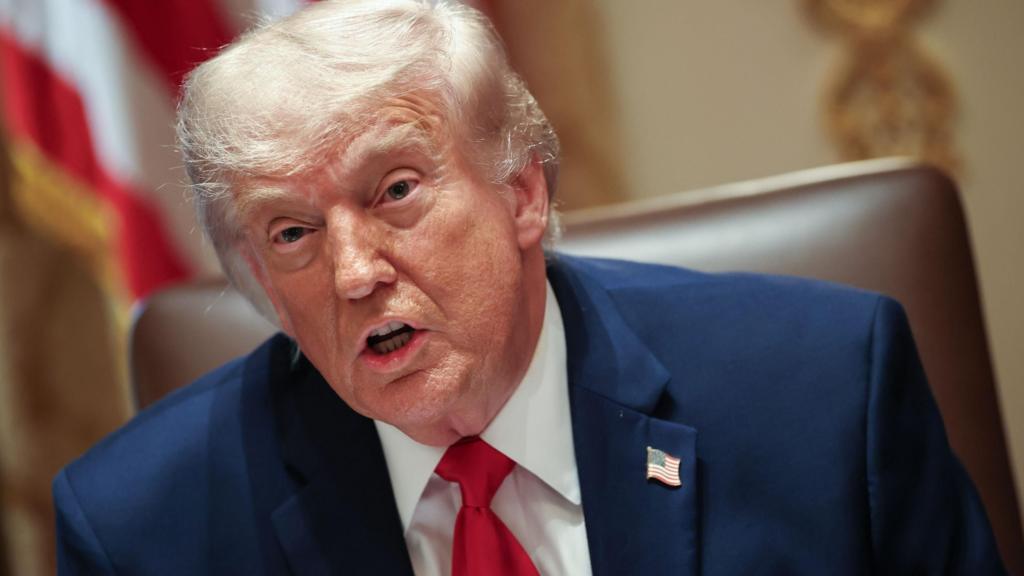
President Donald Trump's recent declaration that the United States remains "not satisfied" with the Iran nuclear agreement has reignited debate over the future of the Joint Comprehensive Plan of Action. While Trump insists Tehran seeks a new deal, he warns that the current framework fails to address Tehran's ballistic missile program and regional activities, leaving the diplomatic track in limbo. The outcome will shape not only the Persian Gulf's security architecture but also the broader contest between major powers in the region.
The statement reflects a broader domestic calculus: hard‑line factions in Washington view any concession as a betrayal of national security, while the administration's fluctuating rhetoric creates uncertainty for European allies who remain committed to the 2015 accord. The lack of a clear negotiating timetable also empowers Iran's hardliners, who can leverage the stalemate to advance their own agenda.
Contextualising this moment requires recalling the 2018 unilateral US withdrawal from the JCPOA, which was justified on the basis of alleged violations and the deal's expiration clauses. Since then, inspections by the International Atomic Energy Agency have confirmed compliance, yet the United States has re‑imposed sanctions that have strained the Iranian economy and complicated any prospective revival.
Looking ahead, the durability of any renewed agreement will hinge on the willingness of all parties to reconcile security concerns with economic incentives. If diplomatic momentum stalls, the risk of miscalculation rises, potentially destabilising the already fragile Middle‑East balance. Conversely, a carefully calibrated arrangement could re‑anchor non‑proliferation norms and open space for broader regional dialogue.