Back to home
INTERNATIONAL8 May 2026
A Fragile Truce: Assessing the Strait of Hormuz Ceasefire Amid U.S.-Iran Tensions
The recent exchange in the Strait of Hormuz tests the durability of a tacit ceasefire, revealing how geopolitical rivalries can quickly destabilize a critical global oil corridor. While both sides claim the arrangement holds, escalating tensions suggest a precarious balance that could spiral into broader conflict.
La
La Rédaction
The Vertex
5 min read
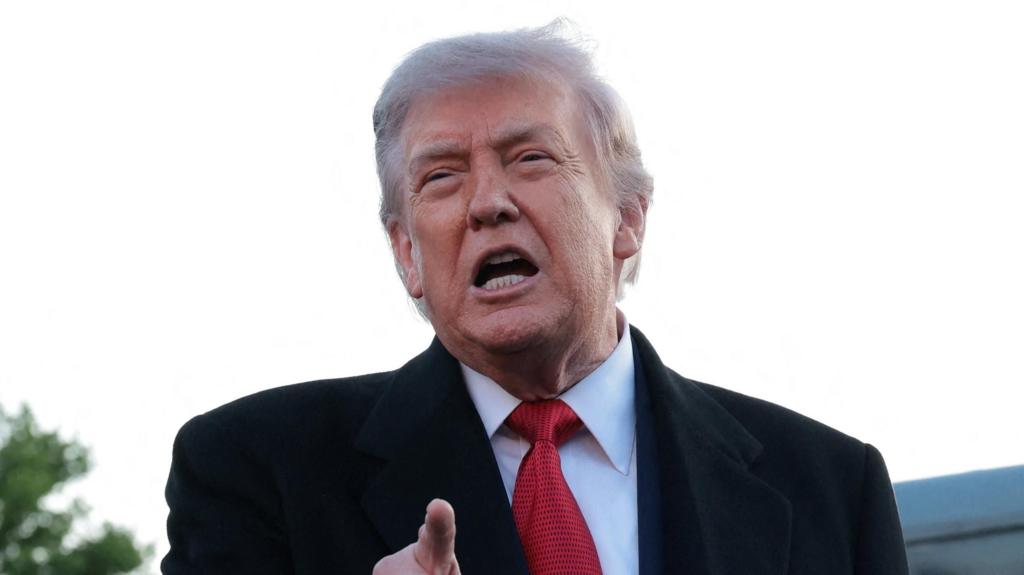
Source: www.bbc.com
Washington and Tehran have each declared that the de‑facto ceasefire governing traffic in the Strait of Hormuz remains in effect, even as recent incidents—including an alleged attack on an Iranian oil tanker and shelling of coastal positions—suggest a dangerous erosion of the arrangement.
Politically, the episode arrives at a delicate moment for the United States, with the 2024 election cycle intensifying partisan debates over foreign policy, while Iranian hard‑liners use the incident to bolster domestic legitimacy amid economic strain. Economically, the threatened closure of a vital oil corridor raises insurance premiums and could trigger a spike in crude prices, already sensitive to geopolitical shocks. Militarily, the United States maintains a robust naval presence, yet the risk of accidental escalation remains high given the proximity of Iranian missile batteries and the volatility of maritime encounters.
Contextually, the Strait of Hormuz has been a flashpoint since the 2018 U.S. withdrawal from the nuclear deal, when Iran began seizing vessels and threatening to close the waterway. International maritime law, codified in the United Nations Convention on the Law of the Sea, obliges all parties to ensure freedom of navigation, but enforcement remains uneven. The current dispute therefore reflects a broader pattern of great‑power competition intersecting with regional security dilemmas.
Looking ahead, the sustainability of the ceasefire will depend on back‑channel diplomacy and the willingness of both sides to honor deconfliction agreements. Without a credible mechanism to manage incidents, the probability of a broader confrontation rises, potentially destabilizing global energy markets and prompting a reevaluation of U.S. strategy in the Persian Gulf.