Back to home
INTERNATIONAL20 March 2026
Trump's Pearl Harbor Analogy: Diplomatic Provocation or Strategic Messaging?
President Trump's comparison of potential Iranian strikes to Pearl Harbor during talks with Japan's PM has sparked diplomatic controversy, raising questions about America's Middle East strategy and alliance management.
La
La Rédaction
The Vertex
5 min read
Source: www.bbc.com
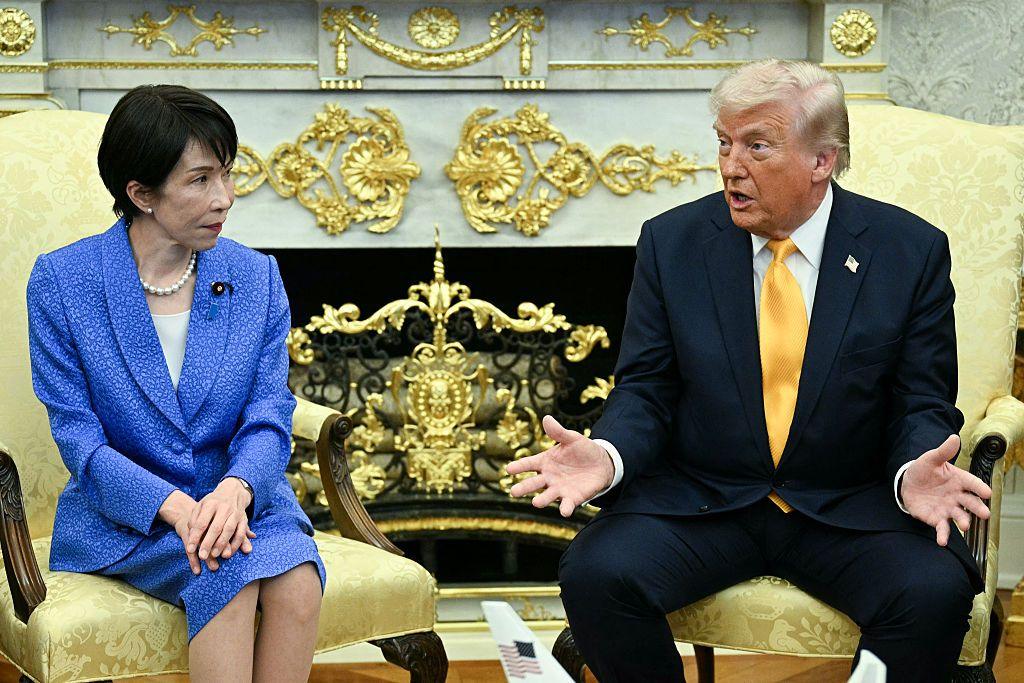
During a bilateral meeting with Japanese Prime Minister, President Donald Trump drew a provocative parallel between a potential military strike on Iran and the 1941 Japanese attack on Pearl Harbor. The comparison, made in response to questions about his failure to consult allies before considering military action, has sent shockwaves through diplomatic circles and raised serious questions about American foreign policy strategy in the Middle East.
The analogy is particularly striking given Japan's historical sensitivity to Pearl Harbor references. By invoking this charged historical event with the leader of the nation that suffered the original attack, Trump appears to be deliberately escalating rhetorical tensions. This approach marks a departure from traditional diplomatic norms where historical analogies are carefully chosen to avoid offending host nations.
From a strategic perspective, Trump's comparison suggests a worldview that frames Iran as an existential threat requiring preemptive action. The Pearl Harbor reference implies that Iran, like Imperial Japan, poses a danger so severe that waiting for international consensus would be tantamount to strategic suicide. This framing aligns with the administration's broader narrative of Iran as a destabilizing force in the region.
However, the analogy fundamentally misrepresents the current geopolitical situation. Unlike 1941, there is no clear act of aggression by Iran comparable to Japan's surprise attack. The comparison appears designed more for domestic political consumption than as a serious diplomatic position, potentially undermining America's ability to build international coalitions.
Looking ahead, this rhetoric could complicate efforts to de-escalate tensions with Iran and may push European allies further away from supporting American initiatives in the region.