Back to home
INTERNATIONAL21 April 2026
Hormuz Blockade: Trump's Strategic Gambit in Iran Nuclear Negotiations
Trump's declaration of maintaining the Hormuz blockade until a deal with Iran represents a significant escalation in US-Iran tensions, with potential global economic and security implications.
La
La Rédaction
The Vertex
5 min read
Source: www.bbc.com
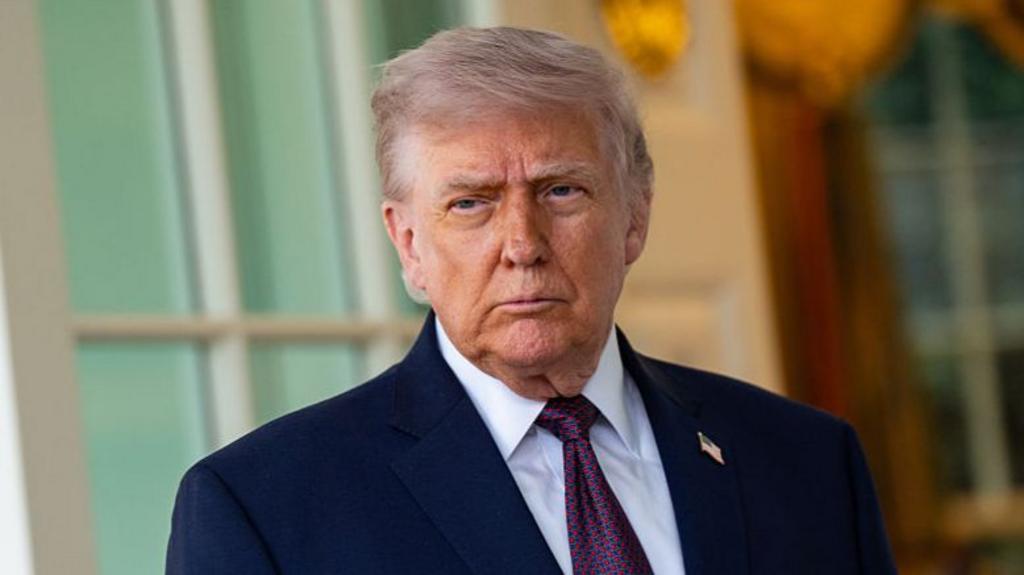
President Trump's declaration that the United States will maintain its blockade of the Strait of Hormuz until a deal with Iran is reached represents a significant escalation in the already tense standoff between Washington and Tehran. The strategic waterway, through which approximately 20% of global oil supplies pass, has become the latest battleground in a conflict that has simmered for decades.
The timing of this announcement is particularly noteworthy, coming as it does amid uncertainty about Iran's participation in upcoming peace talks in Pakistan. This move appears calculated to maximize American leverage ahead of negotiations, effectively using economic pressure as a bargaining chip. However, the blockade's implications extend far beyond mere diplomatic posturing.
The blockade threatens to destabilize global oil markets at a time when energy prices are already volatile. Gulf states, caught between their American security guarantees and their economic dependence on oil exports, find themselves in an increasingly precarious position. European allies, already frustrated by the unilateral nature of American sanctions, may view this latest action as further evidence of Washington's disregard for multilateral approaches to regional security.
Looking ahead, the blockade's effectiveness will largely depend on Iran's response. Tehran has multiple options, from attempting to break the blockade militarily to seeking alternative shipping routes or turning to other global powers for support. The coming weeks will be critical in determining whether this high-stakes gambit brings Iran to the negotiating table or pushes the region closer to open conflict.
The situation underscores the complex interplay between economic pressure, military strategy, and diplomatic negotiations in modern international relations, where the control of strategic waterways remains as crucial as it was during the age of sail.