Back to home
ECONOMY5 March 2026
Trade Court Orders Tariff Refunds in Setback for Trump Administration
A trade court has ordered the U.S. government to refund billions in tariffs deemed unlawful by the Supreme Court, marking a significant judicial check on executive trade powers and potentially reshaping future trade policy approaches.
La
La Rédaction
The Vertex
5 min read
Source: www.bbc.com
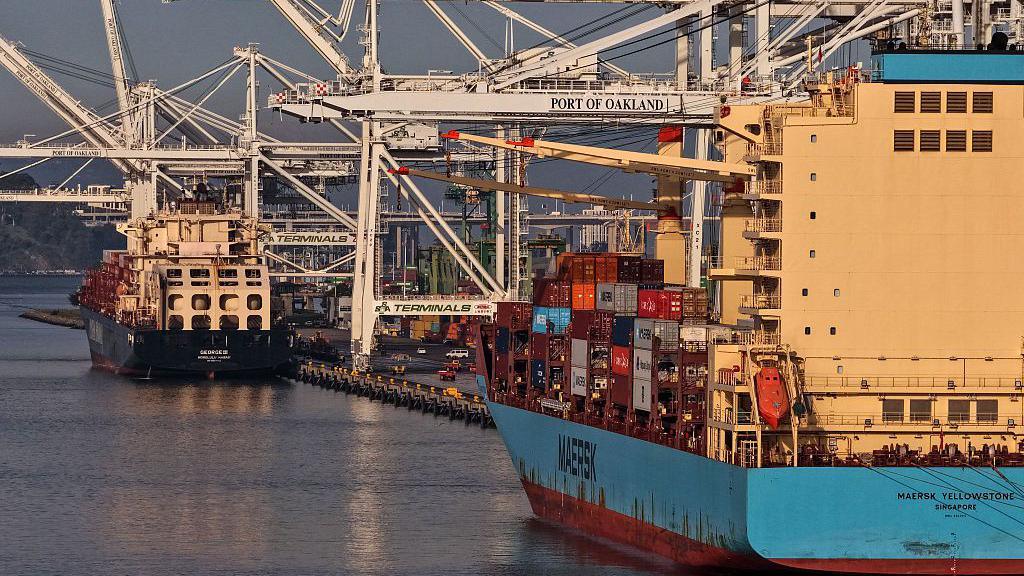
In a significant blow to the Trump administration's trade policies, the Court of International Trade has ordered the U.S. government to process refund claims for tariffs that the Supreme Court recently deemed unlawful. This ruling affects billions of dollars in tariffs imposed during Trump's trade war with China, which businesses have been paying on hundreds of billions of dollars worth of Chinese imports.
The tariffs, originally justified under Section 301 of the Trade Act of 1974, were challenged by businesses who argued they were improperly implemented. The Supreme Court's May ruling found that the administration had exceeded its authority in imposing these tariffs, leading to this subsequent order for refunds.
This decision represents more than just a financial reversal for affected companies. It signals a judicial check on executive power in trade policy, potentially constraining future administrations' ability to unilaterally impose tariffs. The ruling could also impact ongoing trade negotiations and the broader economic relationship between the U.S. and China.
For businesses, the refund process presents both relief and challenges. While the court has cleared the way for claims, the administrative burden of filing and the time required for processing may delay actual reimbursement. Moreover, companies that passed tariff costs to consumers may face pressure to reduce prices, potentially affecting profit margins.
Looking ahead, this ruling may influence how future trade disputes are handled, potentially favoring multilateral approaches through the World Trade Organization rather than unilateral tariff actions. It also raises questions about the long-term strategy for addressing trade imbalances and protecting domestic industries without resorting to broad tariff measures.