Back to home
INTERNATIONAL8 March 2026
Midwest Tornadoes: When Extreme Weather Becomes the New Normal
Deadly tornadoes in Michigan and Oklahoma highlight growing concerns about extreme weather patterns in the American Midwest, exposing infrastructure vulnerabilities and raising questions about climate adaptation.
La
La Rédaction
The Vertex
5 min read
Source: www.bbc.com
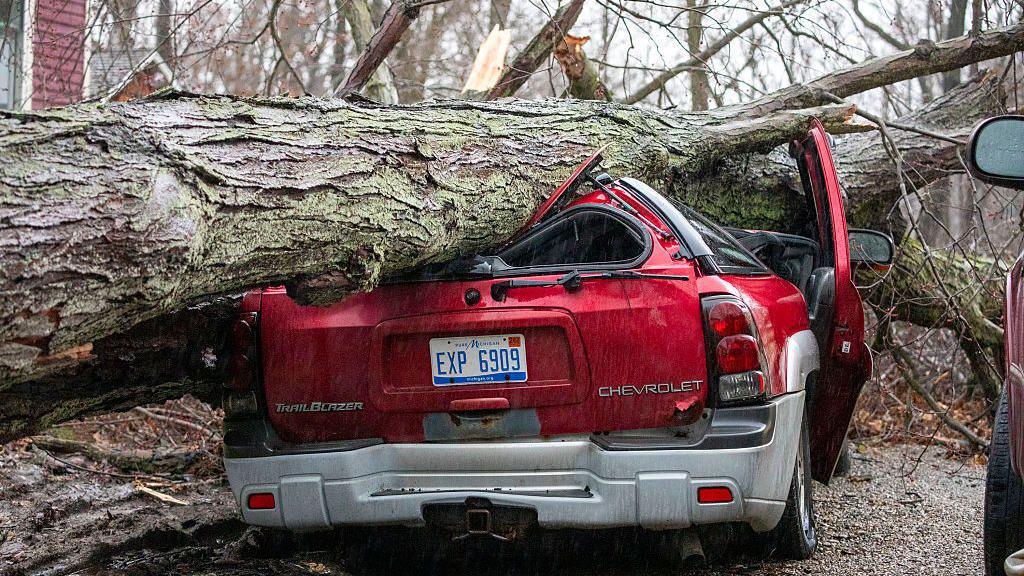
In a devastating display of nature's fury, tornadoes ripped through Michigan and Oklahoma this week, claiming six lives including a 12-year-old boy. The storms, which uprooted trees, downed power lines, and destroyed homes, represent yet another chapter in what meteorologists are calling an increasingly volatile weather pattern across the American Midwest.
The timing is particularly concerning. While tornadoes are common in these regions, their frequency and intensity have escalated dramatically over the past decade. Climate scientists point to warming temperatures and changing atmospheric conditions as key factors, though the exact relationship between climate change and tornado formation remains an active area of research.
Beyond the immediate human tragedy, these storms expose critical vulnerabilities in American infrastructure. Many affected communities lack adequate storm shelters, and power grids proved woefully unprepared for the scale of destruction. The economic toll, while still being calculated, will likely run into hundreds of millions of dollars.
Looking forward, experts warn that such extreme weather events may become more frequent, requiring a fundamental rethinking of how Midwestern communities prepare for and respond to natural disasters. This includes everything from improved early warning systems to more resilient building codes and better-coordinated emergency response protocols.
The human cost of this week's storms serves as a stark reminder that climate adaptation is no longer a future concern but a present necessity. As rebuilding begins, the question remains whether these communities will simply restore what was lost or build back better for an uncertain climatic future.