Back to home
INTERNATIONAL7 May 2026
Three Women Linked to Islamic State Arrested in Australia Signals Evolving Terrorist Recruitment
Three Australian women accused of financing and propaganda support for the Islamic State were arrested upon their return, highlighting gaps in counter‑terrorism frameworks and the shifting gender profile of IS recruitment.
La
La Rédaction
The Vertex
5 min read
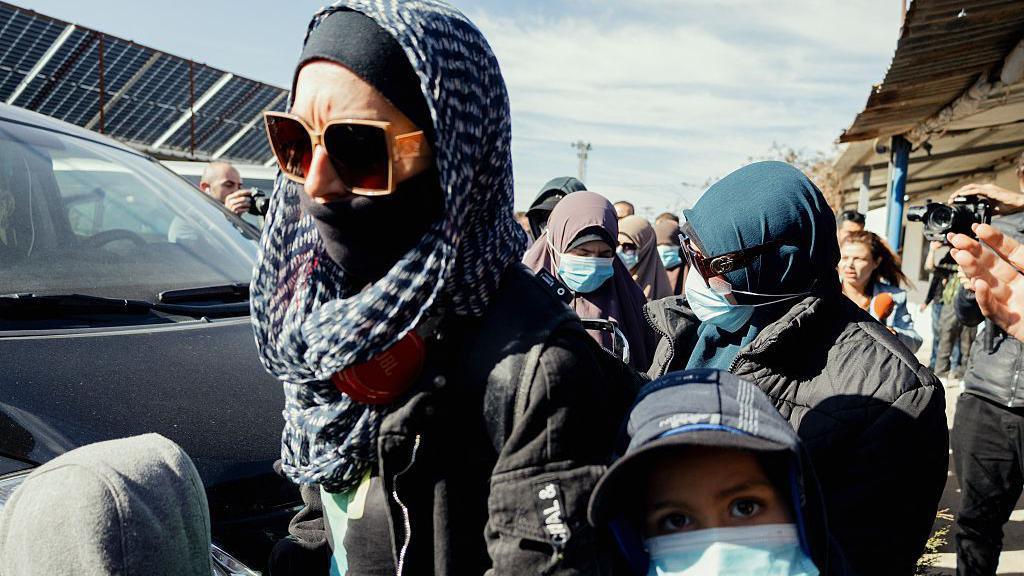
Source: www.bbc.com
Three Australian women accused of financing and propaganda support for the Islamic State were arrested upon their return after years abroad, marking a rare domestic prosecution of women linked to the group. Their detention marks the first time Australian authorities have charged women solely for IS-related support after a prolonged overseas stay, highlighting the breadth of the group’s appeal beyond the battlefield.
The arrests expose gaps in Australia’s counter‑terrorism framework, traditionally focused on male operatives, and raise legal questions about prosecuting women whose roles are often less visible. Their alleged use of digital crowdfunding and remittances highlights how terrorist financing has migrated to online platforms, prompting calls for tighter regulation of fintech services. The case also brings to light the difficulty of gathering admissible evidence, as many of the women's activities occurred through encrypted messaging apps and obscure financial channels, prompting debates over surveillance powers and privacy balances.
Set against the post‑2015 resurgence of IS, the case echoes European returns of female adherents, prompting legislative revisions and heightened surveillance. Australia’s response—specialised units and an expanded foreign‑fighter register—signals a shift toward preventative measures rather than purely reactive policing.
The episode comes amid a broader revival of IS propaganda, with the group leveraging social media to attract diaspora members, and follows a wave of European nations revisiting their own policies on returning fighters.
Looking forward, the prosecution may drive stricter monitoring of online radicalisation networks and reinforce the view that IS‑inspired extremism now transcends gendered stereotypes. Whether this deters future recruitment or fuels a cycle of further arrests remains uncertain, but the episode underscores the evolving nature of the threat.