Back to home
INTERNATIONAL11 June 2026
Tehran’s Retaliation: Striking at the Heart of U.S. Gulf Power Projection
Tehran has vowed to strike U.S. Gulf bases in retaliation for recent American airstrikes, signaling a dangerous escalation in the already volatile Iran‑U.S. rivalry. The move highlights the limits of deterrence in a region where asymmetric capabilities shape strategic calculations.
La
La Rédaction
The Vertex
5 min read
Source: www.bbc.com
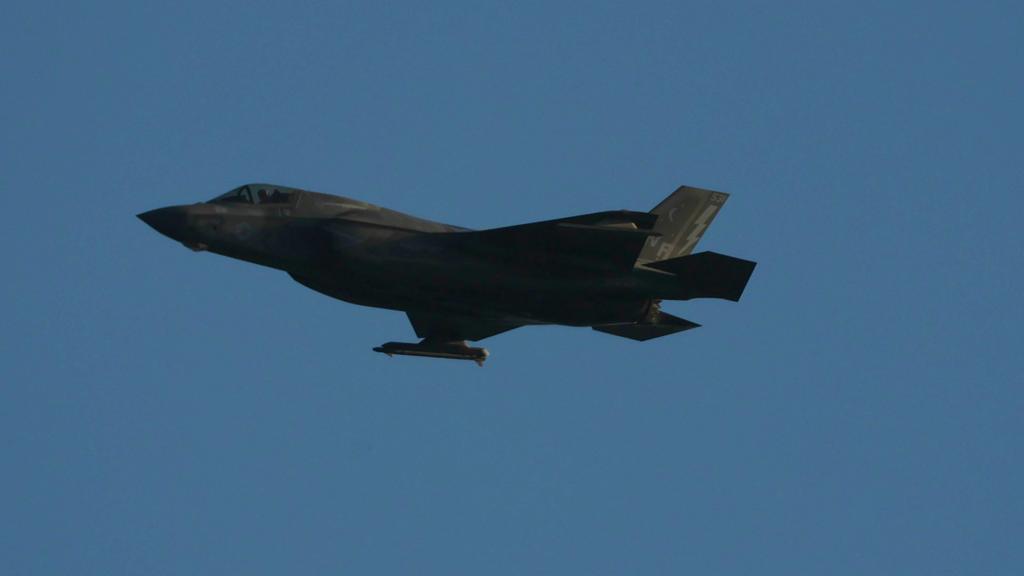
The United States Central Command announced a fresh round of precision airstrikes against Iranian facilities, framing the operation as a response to “unwarranted and continued aggression.” Within hours, Tehran signaled its intent to retaliate by directing missile and drone strikes toward American naval installations and airfields across the Gulf.\n\nTehran’s targeting of Gulf bases reflects a calculated escalation designed to impose costs on the United States without provoking a full‑scale conventional clash. The Strait of Hormuz, the Aegis‑equipped destroyers stationed at Bahrain, and the forward operating locations in the United Arab Emirates constitute the logistical backbone of Washington’s regional power projection. By threatening these assets, Iran seeks to disrupt supply routes, strain allied cohesion, and force a diplomatic concession.\n\nThe episode fits into a longer pattern of reciprocal posturing that began with the 2019 drone attacks on Saudi oil facilities and intensified after the 2020 killing of General Soleimani. Gulf bases have become symbolic loci of US dominance since the 1990s, and their vulnerability underscores the limits of deterrence in an era of asymmetric capabilities.\n\nThe immediate fallout will likely be a surge in regional diplomatic activity, with European powers urging restraint while Washington reinforces its forward presence. The next weeks will test whether the United States can calibrate a proportional response that deters further Iranian aggression without triggering a spiral that could destabilize the entire Persian Gulf.