Back to home
POLITICS8 March 2026
Swiss Voters Uphold Public Broadcasting Funding in Referendum
Swiss voters decisively rejected a right-wing proposal to cut public broadcasting licence fees, with over 60% supporting current funding levels. The referendum highlighted tensions between market-driven and state-supported media models.
La
La Rédaction
The Vertex
5 min read
Source: www.bbc.com
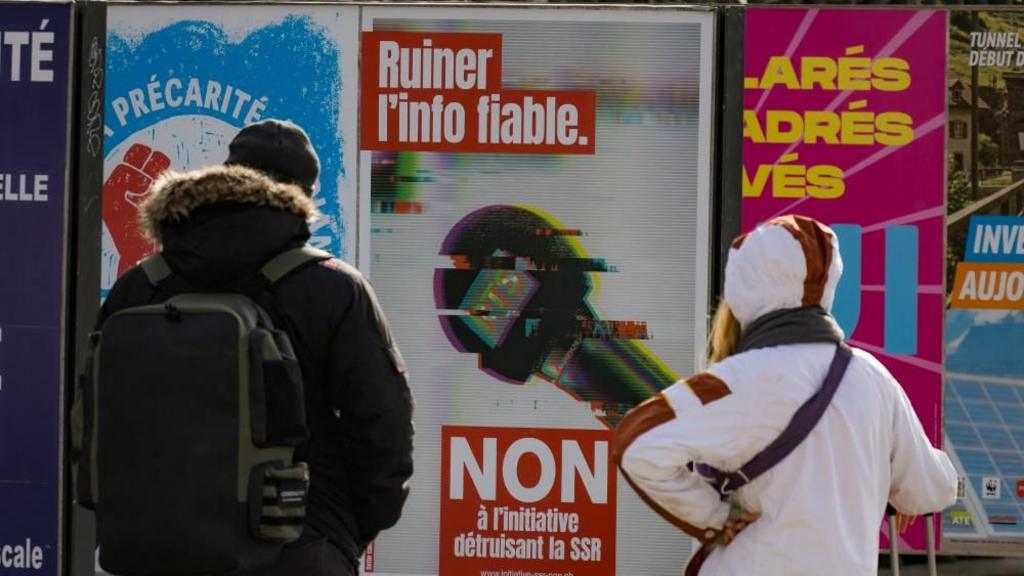
In a decisive referendum, Swiss voters have rejected a right-wing proposal to reduce the mandatory licence fee for public broadcasting, with over 60% voting to maintain current funding levels. This outcome represents a significant victory for Switzerland's public media system and reflects broader European tensions between market-driven media models and state-supported journalism.
The referendum was initiated by the Swiss People's Party (SVP), which argued that the current licence fee of approximately 335 Swiss francs annually was excessive and that public broadcasting should face greater market competition. The SVP positioned the vote as a matter of individual freedom and fiscal responsibility, claiming that many citizens would prefer to allocate their resources elsewhere.
However, opponents successfully framed the issue as one of democratic necessity. Supporters of public broadcasting emphasized its role in maintaining media diversity, providing high-quality journalism independent of commercial pressures, and ensuring coverage of local and regional issues that private outlets might neglect. The referendum campaign highlighted the ongoing debate about the appropriate balance between public and private media in democratic societies.
This vote aligns Switzerland with other European nations that have recently reaffirmed their commitment to public broadcasting, despite growing political pressure to reduce state involvement in media. The outcome suggests that Swiss citizens value the editorial independence and comprehensive coverage that public broadcasters provide, particularly in a multilingual country where media plays a crucial role in national cohesion.
Looking forward, this referendum may influence similar debates across Europe as governments and political parties grapple with questions of media funding, information quality, and the role of public institutions in an increasingly digital and polarized media landscape.