Back to home
POLITICS14 June 2026
Swiss Rejects Population Cap, Defying Demographic Fears
Swiss voters have turned down a proposal to cap the resident population at ten million, with about 55 % voting against. The result highlights the tension between economic needs and social cohesion, and suggests future policy will rely on targeted measures rather than a blanket limit.
La
La Rédaction
The Vertex
5 min read
Source: www.bbc.com
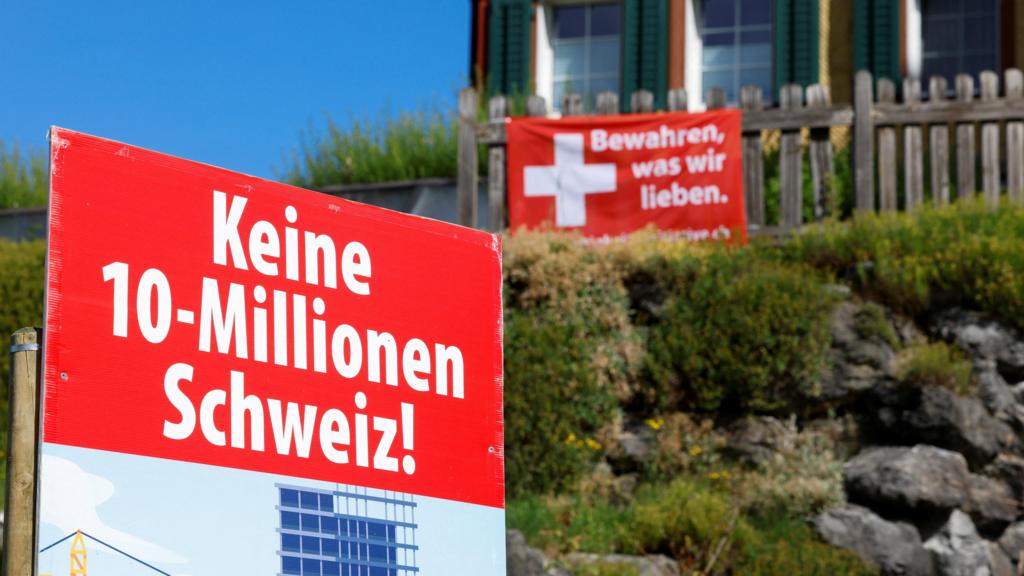
When Swiss voters went to the polls on Sunday, the nation’s long‑standing debate over population limits resurfaced in a decisive referendum. Early projections indicate that roughly 55 % of participants rejected the proposal to cap the resident population at ten million, a threshold that would have forced stricter immigration controls and prompted a costly constitutional amendment.
The outcome reflects a broader tension between Switzerland’s cherished autonomy and the pressures of a rapidly aging society coupled with robust labor market needs. Critics warned that a hard cap could jeopardize economic growth, strain public services, and undermine the country’s reputation for openness, while supporters argued that unchecked immigration threatens social cohesion and the sustainability of the welfare state.
This referendum follows a series of earlier popular initiatives, notably the 2014 “against mass immigration” vote and the 2019 “stop the haters” proposal, which have gradually shifted the political discourse toward tighter border management. Unlike many EU members grappling with similar demographic challenges, Switzerland’s direct‑democracy mechanism allows citizens to enact concrete policy limits, underscoring the unique interplay between local sovereignty and global migration trends.
Going forward, the rejection signals that any future population policy will likely be pursued through incremental, sector‑specific measures rather than a blanket cap, preserving flexibility for economic sectors facing labor shortages. The vote also underscores the difficulty of reconciling demographic imperatives with the nation’s long‑standing commitment to direct democratic participation. The debate will remain a potent electoral issue, shaping party platforms and potentially influencing Switzerland’s stance in forthcoming EU negotiations on mobility and integration.