Back to home
SOCIETY31 March 2026
Sexual Violence as Systemic Weapon: Sudan's Hidden War Against Women
Sexual violence in Sudan has become a systematic weapon of war, with women targeted during daily survival activities. This crisis reflects deeper governance failures and requires urgent international attention and survivor-centered solutions.
La
La Rédaction
The Vertex
5 min read
Source: www.bbc.com
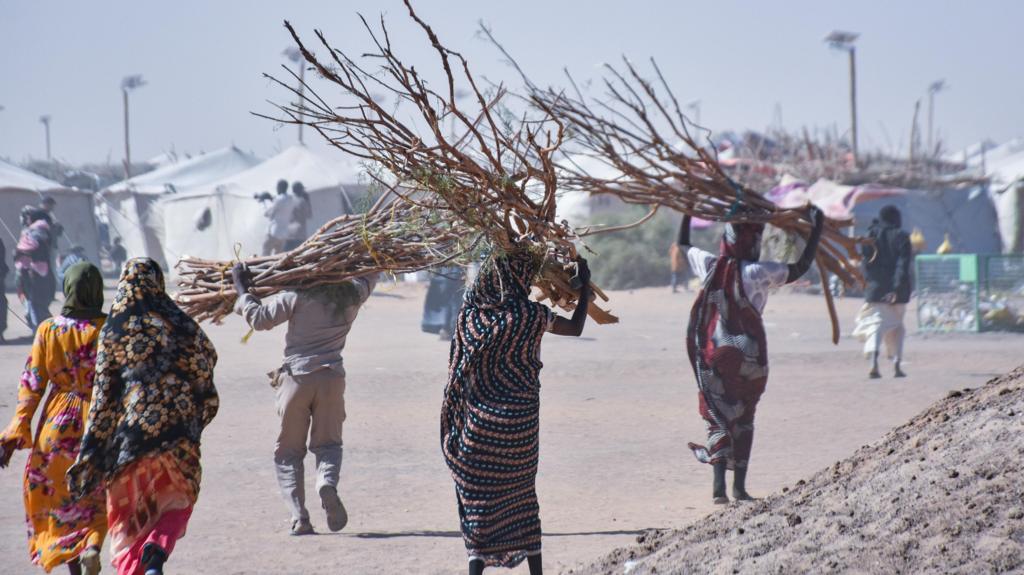
In conflict zones across Sudan, sexual violence has evolved from an unfortunate byproduct of war to a deliberate military strategy, according to recent testimonies collected by humanitarian organizations. Women and girls report being targeted while performing routine activities—fetching water, gathering firewood, or traveling to markets—transforming basic survival tasks into potentially life-threatening ordeals.
The systematic nature of these attacks reveals a calculated attempt to destabilize communities and demoralize resistance. Unlike opportunistic violence, these incidents follow patterns suggesting coordination and intent. Aid workers document cases where multiple women from the same village report similar experiences, often involving armed groups operating with apparent impunity.
This crisis unfolds against the backdrop of Sudan's ongoing political instability, where weakened governance structures have created power vacuums exploited by various armed factions. The breakdown of traditional protection mechanisms—family networks, community oversight, and legal recourse—has left women particularly vulnerable. Economic desperation compounds the problem, as displacement and resource scarcity force women into increasingly dangerous situations simply to provide for their families.
The international community's response has been notably muted, with limited media coverage and insufficient humanitarian resources allocated to addressing gender-based violence in the region. This silence perpetuates a cycle where perpetrators face no consequences while survivors struggle with both physical trauma and social stigma.
Looking forward, addressing this crisis requires more than emergency medical care. Sustainable solutions demand strengthening local governance, establishing accountability mechanisms, and most critically, amplifying survivors' voices in peace negotiations. Until sexual violence is recognized as a barrier to conflict resolution rather than a collateral consequence, Sudan's path to stability remains obstructed.