Back to home
INTERNATIONAL1 July 2026
Amnesty Documents RSF Atrocities in El‑Fasher, Reinforcing Genocide Allegations
Amnesty International has released a report accusing the Rapid Support Forces of systematic crimes against humanity in El‑Fasher, a city the UN says shows genocide‑like patterns. The findings add concrete evidence to ongoing accusations and raise urgent questions about accountability and future peace.
La
La Rédaction
The Vertex
5 min read
Source: www.bbc.co.uk
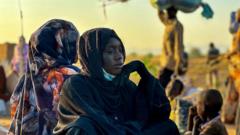
In the war‑torn capital of North Darfur, the Rapid Support Forces (RSF) have been accused of systematic violations that amount to crimes against humanity, according to a recent Amnesty International report.
The report documents mass killings of civilians, widespread sexual violence, and the systematic destruction of homes and marketplaces in El‑Fasher, a city that has endured a brutal siege since the outbreak of the civil war in 2023. Testimonies collected from survivors and local health workers reveal patterns of intentional targeting of non‑combatants, with perpetrators often identified by uniform insignia and vehicle markings. Forensic analysis of mass graves further corroborates the scale of the atrocities.
The United Nations has repeatedly warned that El‑Fasher exhibits the hallmarks of genocide, citing systematic intent to erase the non‑Arab community that predominates in the area. Amnesty’s findings reinforce this assessment, adding concrete evidence of crimes that meet the legal definition of crimes against humanity under the Rome Statute. The persistence of such violations undermines any prospect of a negotiated settlement and raises urgent questions about the international community’s responsibility to protect.
If the International Criminal Court proceeds with investigations, the RSF leadership could face indictments that reshape the conflict’s dynamics. Meanwhile, humanitarian actors warn that without immediate protection measures, civilian suffering in El‑Fasher will intensify, jeopardizing regional stability and the broader peace process in Sudan.
Regional bodies such as the African Union and the Intergovernmental Authority on Development have called for an immediate cease‑fire and the deployment of neutral observers, yet implementation remains elusive. International donors, wary of funding channels that could be diverted to armed groups, are reconsidering aid allocations, intensifying the humanitarian dilemma.