Back to home
INTERNATIONAL3 July 2026
Uneasy Calm Returns to the Strait of Hormuz: BBC Documents Seized Vessels and Shark Fishermen
The BBC s entry for the first time on the Iranian side of the Strait of Hormuz revealed a fragile calm marked by seized vessels and shark fishermen, highlighting the tension between geopolitics and local life.
La
La Rédaction
The Vertex
5 min read
Source: www.bbc.co.uk
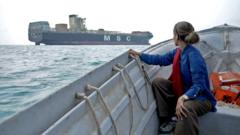
The BBC’s rare foray into the Iranian sector of the Strait of Hormuz this week revealed an unexpected tableau: seized vessels alongside local shark fishermen, as a tentative calm settles over the waterway. For the first time, international journalists set foot in Bandar Abbas, the capital of Hormozgan province, and documented the juxtaposition of state‑controlled maritime assets and the daily routines of coastal fishers.
While the Strait of Hormuz remains a critical artery for global oil shipments, Iran’s recent seizure of foreign vessels has heightened anxiety among shipping firms and insurers. The presence of shark fishermen, who continue unloading their catch despite the political backdrop, illustrates how local economies persist under diplomatic strain. The BBC’s observations suggest that Iranian authorities are attempting to project normalcy, allowing limited civilian activity while maintaining a visible security posture around the detained ships. This development also highlights the economic vulnerability of coastal communities that depend on artisanal fishing, underscoring the regime’s use of maritime resources as a strategic lever.
The Strait of Hormuz remains one of the world’s most vital maritime chokepoints, through which a substantial share of global oil passes. Its strategic importance has made it a frequent arena for geopolitical maneuvering since the 1979 Iranian Revolution, with periodic blockades, missile drills, and reciprocal detentions reflecting the broader rivalry between Iran and Western powers. The current lull, however, may indicate a temporary de‑escalation rather than a lasting resolution.
Whether this uneasy calm endures will depend on the durability of the Iranian government’s messaging and the willingness of external actors to respect the limited opening it affords. Continued monitoring by international media will be essential to gauge if the juxtaposition of seized ships and everyday fisheries heralds a new phase of restrained tension.