Back to home
INTERNATIONAL2 March 2026
South Sudan's Bloody Harvest: Unearthing the Roots of a Massacre and Its Geopolitical Ripples
A recent massacre in South Sudan highlights the fragility of peace and the deep-seated issues of ethnic tensions, resource control, and weak governance. The incident underscores the urgent need for comprehensive peacebuilding to address the root causes of conflict.
La
La Rédaction
The Vertex
5 min read
Source: www.bbc.com
The latest massacre in South Sudan, claiming the lives of at least 169 people, is not an isolated incident, but a grim symptom of deep-seated fractures within the world's youngest nation. The BBC's report offers a stark reminder of the fragility of peace agreements and the persistent challenges of nation-building in a landscape scarred by decades of conflict. While peacekeepers offer sanctuary to a thousand civilians, the underlying issues demand a more profound examination.
The immediate trigger may seem localized – cattle raiding, ethnic tensions – but this violence is inextricably linked to the unresolved power struggles between factions vying for control of South Sudan's resources and political influence. The 2011 independence, celebrated globally, masked a complex web of competing interests that quickly devolved into civil war. The conflict, primarily between forces loyal to President Salva Kiir, from the Dinka ethnic group, and then-Vice President Riek Machar, from the Nuer, has left in its wake a legacy of mistrust and instability.
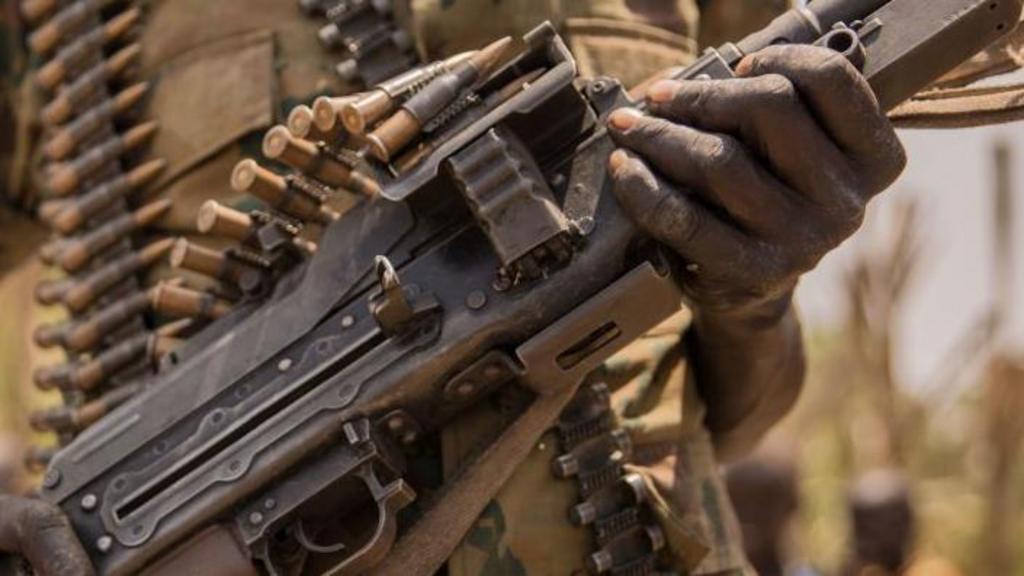
The history of Sudan, bifurcated by colonial legacies and north-south divisions, laid the groundwork for South Sudan's current predicament. The failure to establish inclusive governance structures, equitable resource distribution mechanisms, and a unified national identity has exacerbated ethnic divisions and fueled cyclical violence. The abundance of small arms, flowing across porous borders, further compounds the problem, empowering local actors to engage in deadly raids and skirmishes.
Economically, South Sudan remains heavily dependent on oil revenues, a resource that has ironically become a source of conflict rather than prosperity. Control over oil fields and pipelines has been a central objective for warring factions, and the lack of diversification in the economy leaves the country vulnerable to external shocks and internal instability. Corruption, endemic within the government, further diverts much-needed resources away from development and social welfare programs, fueling grievances and resentment among the population.
The international community bears a degree of responsibility for South Sudan's current state. While independence was widely supported, the post-independence engagement has often been characterized by short-term fixes and a lack of sustained commitment to addressing the root causes of conflict. Peacekeeping missions, while providing essential protection for civilians, cannot substitute for comprehensive peacebuilding initiatives that address issues of governance, justice, and reconciliation. The region itself, particularly neighboring countries, play a critical role, sometimes fueling the conflict through proxy support.
Looking ahead, the future of South Sudan hinges on the ability of its leaders to forge a genuine national consensus, prioritize inclusive governance, and address the underlying economic and social drivers of conflict. Without a concerted effort to break the cycle of violence and build a more equitable and just society, South Sudan risks descending further into chaos, with potentially devastating consequences for the region and beyond. Sustained international support, coupled with strong local leadership, is essential to achieving a lasting peace and unlocking South Sudan's potential.