Back to home
ECONOMY13 May 2026
The Milka Shrinkflation Scandal: A Legal Reckoning for Consumer Trust
A Bremen court ruled that Milka’s reduction of its Alpine Milk bar from 110 g to 90 g without price change breached consumer protection laws, highlighting the growing legal risks of shrinkflation. The decision may push the EU to tighten labeling rules and reshape industry cost‑containment practices.
La
La Rédaction
The Vertex
5 min read
Source: www.bbc.com
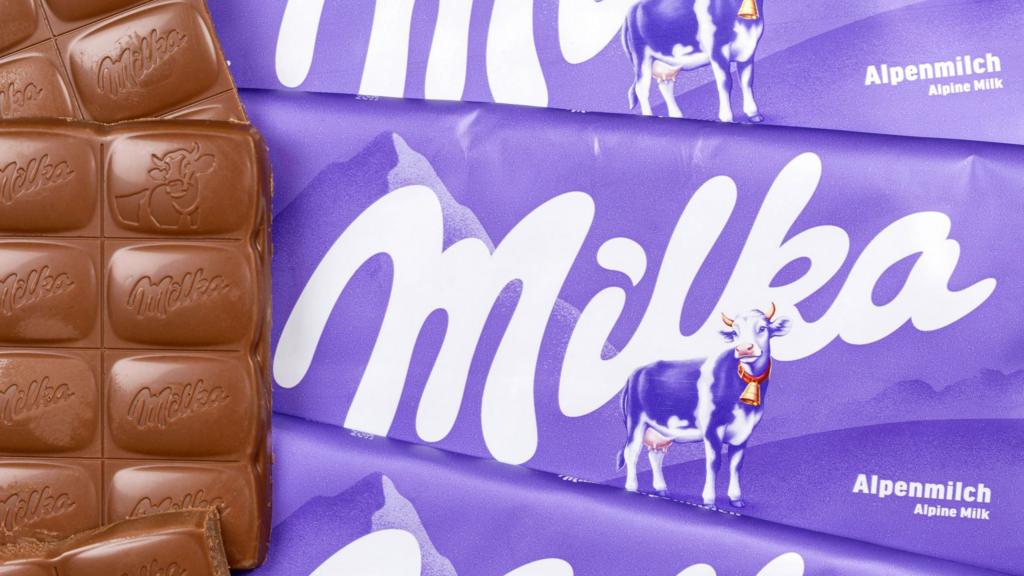
On 12 March 2024, the Bremen Regional Court delivered a precedent‑setting ruling against the manufacturer of Milka’s Alpine Milk bar, determining that the company had engaged in “shrinkflation” by reducing the bar’s net weight from 110 grams to 90 grams while maintaining the same retail price. The judgment explicitly cited a breach of German food‑law provisions that forbid deceptive alterations to product dimensions.
The court’s reasoning emphasized that consumers rely on consistent size as a proxy for value, and that the unannounced reduction constitutes an unfair commercial practice under the German Unfair Competition Act. By ordering the firm to issue a public correction and to compensate affected purchasers, the decision signals that even subtle dimensional changes can trigger legal liability and damage brand reputation.
This case fits into a wider European pattern where food producers have quietly trimmed packaging to offset rising input costs. Similar rulings have already been issued against Nestlé’s reduced‑size chocolate bars and Danone’s smaller yogurt pots, prompting the European Commission to revisit its Food Information Regulation and consider mandatory on‑pack declarations of net weight changes. The trend reflects both market pressure to maintain price stability and a growing consumer vigilance.
Legal scholars anticipate that the verdict will accelerate legislative proposals requiring transparent size labeling, possibly mandating a “size‑change notice” on packaging. In the short term, manufacturers may face heightened scrutiny from consumer groups and could adjust product formulations to avoid further litigation. The ruling thus marks a turning point, balancing corporate cost‑containment with the consumer’s right to accurate product information.