Back to home
INTERNATIONAL7 April 2026
Journalist's Release: The Fragile State of Press Freedom in Iraq
The release of American journalist Shelly Kittleson by an Iranian-backed militia highlights the growing influence of non-state actors over press freedom in Iraq, raising concerns about the future of independent journalism in the country.
La
La Rédaction
The Vertex
5 min read
Source: www.bbc.com
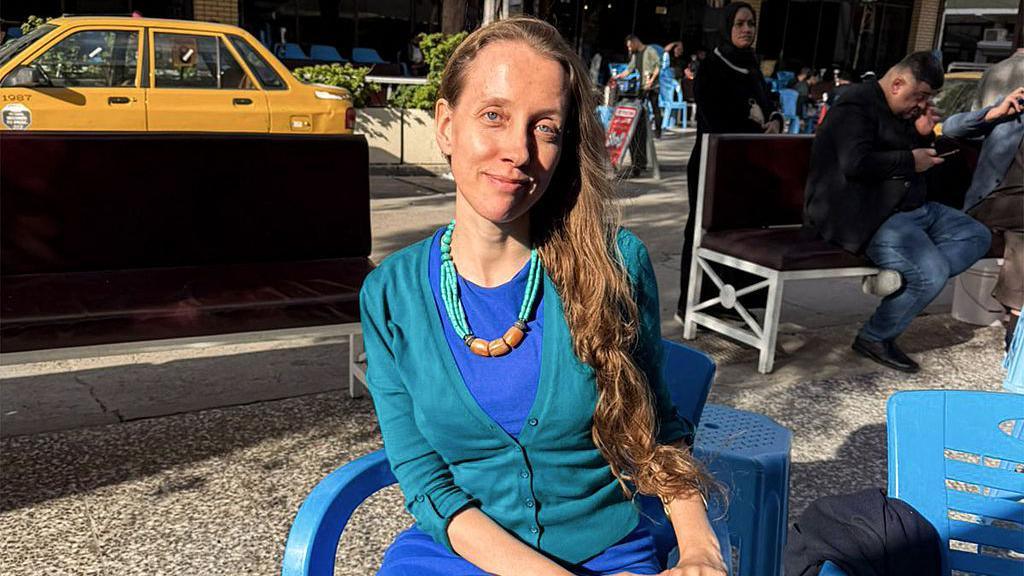
The reported release of American journalist Shelly Kittleson by Kataib Hezbollah marks yet another troubling episode in Iraq's precarious media landscape. While the condition of her immediate departure from the country offers relief, it simultaneously underscores the systemic vulnerabilities faced by foreign correspondents operating in conflict zones.
Kataib Hezbollah, a powerful Iranian-backed militia with deep roots in Iraq's Popular Mobilization Forces, has increasingly positioned itself as a gatekeeper of information. This incident reveals how non-state actors have effectively supplanted traditional security structures in determining who can report from Iraqi territory. The militia's ability to detain and release a foreign journalist with apparent impunity demonstrates the erosion of state sovereignty in critical matters of press freedom.
The timing is particularly significant. Iraq has been attempting to position itself as a stable destination for international media coverage, especially as regional tensions fluctuate and the country seeks to attract foreign investment. Incidents like this threaten to undermine these diplomatic efforts and reinforce perceptions of Iraq as an unpredictable environment for independent journalism.
For Kittleson, the immediate concern is her safety and ability to continue her work elsewhere. For the broader journalistic community, this episode serves as a stark reminder of the calculated risks involved in covering Iraq's complex political landscape. The conditions of her release—essentially a forced exit—raise uncomfortable questions about the future of investigative reporting in a country where militias wield considerable influence over the flow of information.
This incident may well prompt news organizations to reassess their operational protocols in Iraq, potentially leading to more restricted coverage and fewer on-the-ground reports from this strategically vital region.